
Body & Massage
Aurelys lymphatic drainage reviews: what you should know before your first session
If you have been looking up Aurelys lymphatic drainage reviews for a while, you have probably already come across scattered comments on social media, forums, or WhatsApp groups. Some enthusiastic, some skeptical, and many that simply describe a personal experience without explaining what actually happened in the person’s body. That leaves anyone considering the treatment in an uncomfortable position: curious enough to try it but without enough information to know what to expect.
This article is not a product review or a list of testimonials. It is an honest explanation of what lymphatic drainage is, how the Aurelys technique works in particular, what factors influence results, and what you should have clear before booking your first session. The goal is for you to arrive informed, not surprised.
If you already understand the technique and simply want to book, you can go straight to our Reservations page. If you want to understand it first, keep reading.
What the lymphatic system is and why it matters in body treatments
The lymphatic system is a network of vessels and nodes that runs throughout the entire body. Its main function is to collect excess interstitial fluid, metabolic waste, and certain immune cells, and return them to the bloodstream so the body can process them. Unlike the circulatory system, which has the heart as its pump, the lymphatic system depends on muscle movement, breathing, and, to some extent, external stimuli such as massage to function optimally.
When the lymphatic system slows down — whether due to a sedentary lifestyle, stress, heat, hormonal changes, or simply the posture we hold for hours in front of a screen — fluid accumulates in the tissues. This produces that very recognizable feeling of heavy legs, a bloated abdomen, ankles that by the end of the day no longer fit comfortably in your shoes, or a face that wakes up looking duller than usual.
Manual lymphatic drainage works directly on that system. With slow, rhythmic, very gentle movements, the therapist stimulates the superficial lymphatic vessels so that accumulated fluid begins to move in the right direction. It is not a deep-tissue massage or a high-pressure technique. It is almost the opposite: its effectiveness comes precisely from the delicacy and precision of the movement.
The Aurelys technique: background and differences from other schools
When people search for “Aurelys lymphatic drainage reviews,” they are often asking about a specific methodology of Latin American origin that has gained popularity in Colombia and other countries in the region. Aurelys is the name of a training school in body techniques that has certified a considerable number of therapists in Colombia, Venezuela, and other Spanish-speaking countries. Its graduates work in spas, beauty centers, and wellness clinics throughout the country.
The difference between this technique and other well-known schools, such as the Vodder or Leduc methods, lies not in the physiological principle — which is the same — but in the sequence of maneuvers, the way certain areas of the body are worked, and the emphasis placed on combining drainage with other body treatments. Aurelys, in particular, tends to integrate drainage with sculpting and firming techniques, which explains why many people associate it with broader aesthetic results than drainage alone.
What remains consistent across all serious schools, including Aurelys, is that the quality of the result depends fundamentally on the therapist’s training and experience. A technique well learned in inexperienced hands does not produce the same results as in the hands of someone who has been practicing for years. So when you read reviews on social media, keep in mind that the variation in experiences often reflects differences between practitioners, not between techniques.
What Aurelys lymphatic drainage reviews actually say
The Aurelys lymphatic drainage reviews circulating online follow fairly consistent patterns, and it is worth reading them critically. The most frequent positive comments mention three things: the immediate feeling of lightness after the session, a visible reduction in bloating in the legs and abdomen, and the quality of sleep that night. Many people describe sleeping deeply after a session, which makes sense because the massage activates the parasympathetic nervous system — the one responsible for the state of calm and recovery.
The more critical reviews, on the other hand, tend to come from people who expected results that lymphatic drainage is not designed to produce: localized fat reduction, elimination of deep structural cellulite, or permanent results without any lifestyle changes. When expectations are not well calibrated, any treatment will disappoint. Lymphatic drainage is a powerful tool for what it does, but it is not a universal solution for every body goal.
A pattern that appears frequently in the more balanced comments is the accumulation of results with regular sessions. The people who are most satisfied are, for the most part, those who incorporated it as part of a care routine rather than those who sought a one-off fix. That does not mean a single session has no value, but the body responds more consistently when the stimulus is regular.
What to expect during and after a session
If it is your first time, it is natural to be curious about how the procedure feels. The session generally begins with a brief consultation in which the therapist asks about your health, whether you have any relevant medical conditions, what your goals are, and how you have been feeling physically in recent days. That information allows them to tailor the session to your body in that moment.
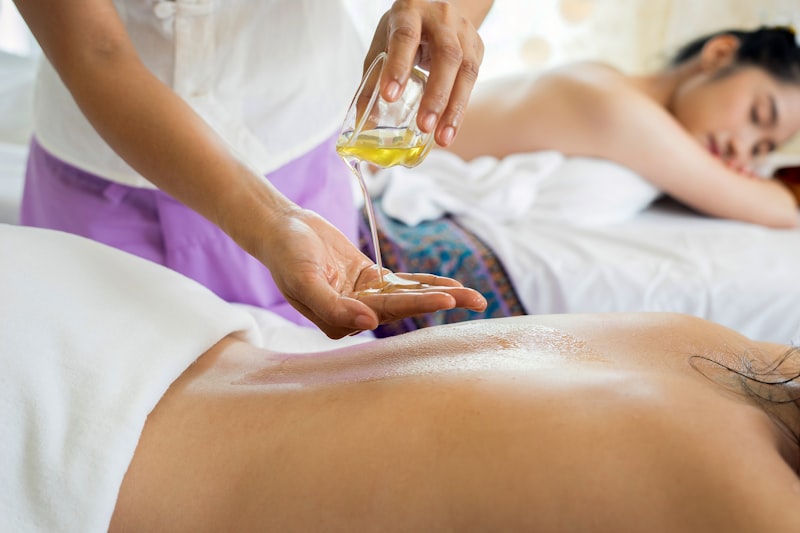
During the massage, the pressure is minimal — much gentler than most people imagine. The movements are slow, almost unhurried, and follow a specific direction that corresponds to the path of the lymphatic vessels. Many people fall asleep during the session. This is not unusual, and it does not interrupt the therapist’s work. The predominant sensation is one of gentle warmth and progressive relaxation.
After the session, it is normal to feel a noticeable lightness, especially in the legs. Some people feel the urge to urinate more than usual in the hours that follow, which is a sign that the body is processing the mobilized fluids. Drinking enough water for the rest of the day is the most important aftercare step you can take. It is also a good idea to avoid very salty foods that day, since salt encourages fluid retention and can partially undo the work done during the session.
Contraindications you should know before booking
Lymphatic drainage is one of the safest techniques available in the field of body treatments, but it does have contraindications that are important to know. It is not recommended for people with active infections, acute inflammation, deep vein thrombosis, uncontrolled heart failure, or certain types of cancer. In these cases, the massage could mobilize substances the body needs to keep localized, or could aggravate an existing condition.
If you have a chronic health condition or are undergoing medical treatment, the most responsible step is to consult your doctor before starting any type of therapeutic massage. The Colombian Ministry of Health notes that aesthetic and wellness treatments are complementary to medical care, not substitutes for it. A good therapist will always ask about your health history before beginning, and if they do not, that is a red flag.
People in a post-surgical period — especially after liposuction or abdominal procedures — are frequent candidates for lymphatic drainage because it helps manage post-surgical edema. However, in that context it is essential that the treating physician authorizes the start of sessions and that the therapist has specific experience in post-surgical care.
| Situation | Recommendation |
|---|---|
| Fluid retention from heat or sedentary lifestyle | Indicated, very beneficial |
| Post-surgical recovery (with medical authorization) | Indicated, with a specialized therapist |
| Pregnancy (with medical authorization) | Possible, with specific precautions |
| Active infection or fever | Contraindicated until recovery |
| Deep vein thrombosis | Contraindicated, consult a doctor |
| Active cancer | Consult with oncologist first |
How to choose the right place for lymphatic drainage in Bogotá
The growing number of centers offering lymphatic drainage in Bogotá makes choosing wisely more important than ever. Not all places have the same level of training or the same hygiene and equipment standards. There are some concrete questions you can ask before booking: What is the therapist’s training? Do they have specific experience in the technique they advertise? Is the space clean and appropriate for a body treatment?
At Aqua Belleza Spa, in the Chicó neighborhood on Cra 11 at Calle 98, body treatments are carried out by professionals trained in massage and drainage techniques. The spa environment is designed so that the session is a genuine care experience, not just a procedure. If you would like to learn more about the team, you can visit our About us page.
To review the treatments available and their current conditions, the Services page has up-to-date information. Prices and options may change, so it is always best to check there directly before booking. If you have specific questions before your first appointment, you can also reach us through the Contact page.
Related references
Frequently Asked Questions
- Does lymphatic drainage hurt?
- No. It is one of the gentlest techniques available. The pressure is minimal and the movement is slow and rhythmic. Some people feel a slight tingling or warmth in the area being worked on, but the procedure does not cause pain.
- How many sessions do I need to see results?
- It depends on your goal. For mild fluid retention, many people notice a difference after the very first session. For more specific goals, such as reducing edema or post-surgical recovery, your therapist will guide you through a personalized plan.
- Can I have lymphatic drainage during my period?
- Generally yes, and many women actually seek it out during those days because it helps relieve the feeling of heaviness. However, if you have severe cramps or feel very uncomfortable, it is better to reschedule your appointment.
- Does lymphatic drainage help with weight loss?
- Lymphatic drainage is not a treatment for reducing body fat. What it does is mobilize retained fluids, which can reduce the feeling of bloating and heaviness. If your goal is inch loss, there are complementary slimming treatments that a professional can help you combine with drainage.
- What should I do after the session?
- Staying well hydrated is the most important thing. Drinking water in the hours that follow helps the lymphatic system complete the work started during the session. It is also advisable to avoid very salty foods that day and not to do intense exercise immediately afterward.
- Can I have lymphatic drainage if I am pregnant?
- Gentle lymphatic drainage is frequently used during pregnancy to relieve fluid retention, but it must always be authorized by your doctor and performed by a professional with experience working with pregnant clients. Consult your gynecologist before booking your appointment.