
Body & Massage
How many slimming massage sessions do you need to see real results
If you have ever searched for information about slimming massages, you have probably come across wildly different answers: that you will see changes after four sessions, that you need twenty, that it depends on your metabolism, that it depends on the technique. So much variation can be frustrating when all you want is honest guidance before committing to a treatment cycle.
The truth is that there is no universal magic number. What does exist is a clear logic behind how slimming massage works in the body, and understanding that logic allows you to set realistic expectations and make better decisions. This article explains exactly that: what slimming massage does, what factors determine how many sessions you need, and how to recognize that the treatment is working.
You will not find promises of record-breaking transformations here. What you will find is the information you need to start with clarity.
What slimming massage does and why understanding it matters
Slimming massage works primarily through three mechanisms: blood circulation, the lymphatic system, and superficial adipose tissue. Through pressure, kneading, and gliding techniques, the therapist stimulates the movement of retained fluids, activates local microcirculation, and improves skin elasticity in the treated areas.
What it does not do — and this is worth stating clearly — is directly eliminate fat or replace the effects of a balanced diet or physical activity. What it can do, when applied consistently and with the right technique, is improve the appearance of areas with fluid retention, reduce the feeling of heaviness, soften skin texture, and help the body eliminate more efficiently what it no longer needs.
Understanding this changes how you approach the treatment. You are not looking for an immediate, spectacular result after the first session; you are building a process. And like any process, it has a progress curve worth knowing.
Why the number of sessions varies so much from person to person
When you ask how many slimming massage sessions you need, the honest answer always starts with “it depends.” That is not a dodge — it is that several factors directly influence the speed and intensity of results.
The first is your starting point. Someone with moderate fluid retention in the legs and abdomen will respond differently from someone with more pronounced buildup or denser tissue. Muscle tone, skin elasticity, and the history of previous treatments all play a role.
The second factor is your lifestyle between sessions. Massage activates processes that the body needs to complete on its own: eliminating toxins, reabsorbing fluids, regenerating tissue. If between one session and the next you do not drink enough water, follow a highly inflammatory diet, or spend long hours sitting without moving, your body has fewer resources to finish that work. Results still come, but more slowly.
The third factor is technique and consistency. Not all slimming massages are the same; pressure, sequence, and focus vary depending on the goal and the area. An experienced therapist adjusts the technique from session to session based on how your body is responding, and that adaptation makes a real difference in how long it takes to see results.
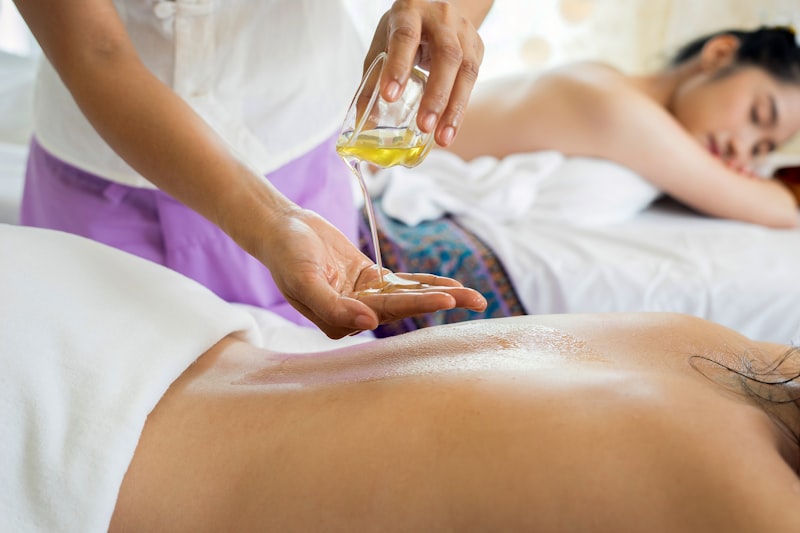
The progress curve: what to expect session by session
A typical slimming massage cycle is usually planned for between ten and fifteen sessions, though that range can be adjusted up or down based on the initial assessment. Within that cycle, progress is not linear — it has fairly recognizable phases.
In the first three or four sessions, the body is mainly responding to the stimulus. You may notice a feeling of lightness, less bloating at the end of the day, or a slight improvement in skin texture. Some bodies respond quickly and show visible changes even in this phase; others take a little longer to get going. Neither response indicates whether the treatment is working or not — it simply reflects how that particular body is.
From the fourth or fifth session onward, changes tend to become more consistent and visible. Circulation in the treated area is more activated, the tissue responds better to pressure, and the body has established a pattern of response. This is the stage where many people start noticing differences that others can see too.
In the second half of the cycle, the work becomes more about consolidation. Results become more established, the skin gains firmness, and the treated area holds its changes better between sessions. By the end of the cycle, what you have achieved is an improved starting point — not a permanently guaranteed result that requires no further effort.
The role of maintenance after the initial cycle
A question that comes up often is what happens when you finish the cycle. Do the results disappear? Do you have to start from scratch? The answer is more nuanced than a simple yes or no.
The results of a well-executed cycle do not vanish immediately once it ends. However, the body tends to gradually return to its habitual patterns if there is no maintenance at all. How quickly that happens depends on the same factors mentioned earlier: hydration, diet, physical activity, and whether there are underlying conditions that favor fluid retention.
What works well for most people is moving on to maintenance sessions after the initial cycle. That might mean one session every two weeks during the first month, then once a month or whenever you feel your body needs it. This rhythm is much more sustainable over time and helps preserve results without having to repeat a full cycle each time.
How to tell whether the treatment is working for you
One of the most common mistakes is looking only at the scale as an indicator that slimming massage is working. That is not the most useful measure, because massage works primarily on fluids and tissue, not on fat mass. Weight can fluctuate without saying anything clear about treatment progress.
The more relevant indicators are others: how the skin looks and feels in the treated area, whether the sensation of heaviness or bloating has decreased, whether clothing fits differently in that area, whether there is less retention at the end of the day. These changes are slower to show up in a photograph than a number on the scale, but they are more representative of what is actually happening.
It is also worth keeping a simple log between sessions. It does not need to be elaborate — just noting how you feel in the treated area the day after each session, whether there were changes in retention, or whether you noticed anything different gives you valuable information to share with your therapist and adjust the plan if needed.
At Aqua Belleza Spa, the initial assessment before starting a slimming massage cycle serves exactly this purpose: establishing a clear starting point, defining realistic goals, and designing a frequency that makes sense for your body and your routine. If you would like to explore the available options, you can visit the Services page to see current body treatments.
Lifestyle factors that amplify or slow down results
We already mentioned hydration, but there are other habits that directly influence how quickly and how well your body responds to slimming massage. It is not about following a strict regimen — it is about understanding what makes the process easier and what holds it back.
Regular movement is one of the most important. It does not have to be intense exercise; walking thirty minutes a day activates circulation and the lymphatic system in a way that complements the massage work very well. If you live in northern Bogotá and walking along Cra 11 or Calle 98 is already part of your daily routine, you are already doing something that supports the process.
Sleep also matters more than it might seem. During nighttime rest, the body regulates fluids, repairs tissue, and processes the stimuli of the day. Sleeping well between sessions is not a luxury — it is part of the mechanism that makes massage effective.
Finally, chronic stress has a real impact on fluid retention and the body’s inflammatory response. It is not always possible to eliminate it, but it is useful to know that if you are going through a particularly stressful period, massage results may come more slowly. That does not mean it is not worth doing — in fact, massage itself has a relaxing effect that can help manage that tension. But it is relevant information for keeping your expectations grounded in reality.
How to plan your cycle realistically
Before booking your first session, it is worth doing a simple planning exercise. Ask yourself how often you can realistically commit: is twice a week sustainable for you right now, or is once a week more manageable? Both frequencies work — the difference is that with greater frequency results arrive sooner, and with lower frequency the cycle extends further over time.
It is also helpful to think about the time of year. If you know you have a long trip or an especially demanding work period coming up in two weeks, it may be better to wait for a more stable month before starting. An interrupted cycle is not a disaster, but a cycle you can complete consistently will always deliver better results.
Finally, talk with your therapist from the very beginning about your goals and your questions. An honest assessment at the start saves you surprises later on. On the Bookings page you can schedule an appointment for that first meeting and start with all the information on the table. If you prefer to ask questions first, the team is available through the Contact page.
Related references
Frequently Asked Questions
- Can I see results after just one slimming massage session?
- You may notice some reduction in puffiness or a feeling of lightness after the first session, but that is not the same as a lasting result. Sustained changes require consistency over several weeks.
- How often should I get a slimming massage?
- The most common frequency is twice a week during the first few weeks, then once a week during the maintenance phase. Your therapist can adjust that rhythm based on how your body responds.
- Does a slimming massage help with weight loss?
- No. Slimming massage works on fluid retention, circulation, and skin appearance. It does not replace a balanced diet or physical activity as tools for weight management.
- Does a slimming massage hurt?
- There may be some discomfort, especially in areas with greater fluid buildup or muscle tension, but it should not be painful. If you feel intense discomfort, let your therapist know so they can adjust the pressure.
- What happens if I interrupt my session cycle?
- Interrupting the cycle does not undo all the previous work, but it can slow down your results. The ideal approach is to complete the agreed cycle and then move on to periodic maintenance sessions.
- Can I combine slimming massage with other body treatments?
- Yes, and in fact many people combine it with lymphatic drainage or body hydration treatments. What matters is that a professional evaluates your case and designs a sequence that makes sense for your goal.