
Body & Massage
Body wrap: what it is, how it works, and what its real benefits are
If you have ever ended an exhausting day feeling like your body needs something more than a hot shower, you are probably already ready to understand why body wraps remain one of the most sought-after wellness treatments at spas. This is not a passing trend or a seasonal fad. It is a procedure with a very clear logic: wrapping the body in active ingredients for a set period of time so that the skin can absorb them while heat and rest do their part.
What many people do not realize is that behind this seemingly simple ritual lies a careful selection of ingredients, a specific application technique, and a range of benefits that go far beyond immediate relaxation. Understanding how it works helps you get more out of every session and know what to expect before, during, and after the treatment.
In this article I explain exactly what a body wrap is, what types exist, what its real benefits are for the skin and overall well-being, and what you should keep in mind before booking your first appointment.
What happens during a body wrap
The procedure begins with a gentle full-body exfoliation. This step is not decorative: removing dead cells from the skin’s surface allows the active ingredients that follow to penetrate more effectively. Without that preparation, much of the product would remain blocked in the outermost layer of the epidermis without reaching where it can actually work.
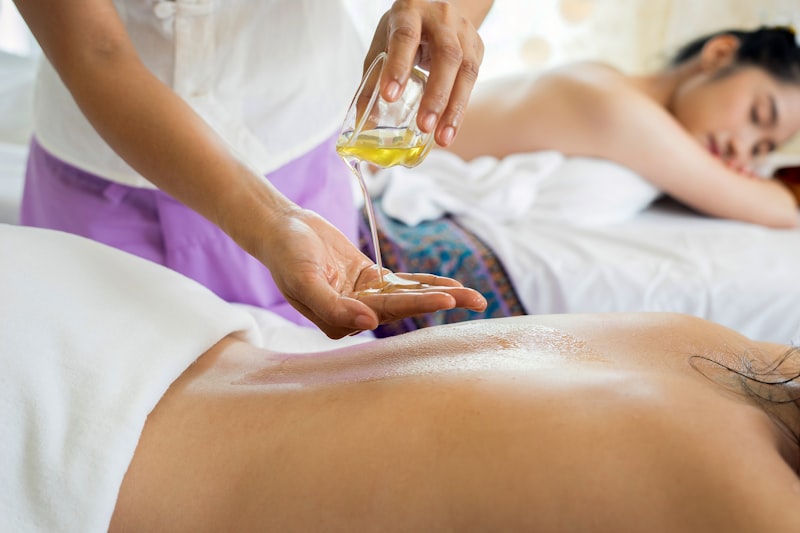
Once the skin has been exfoliated and cleansed, the professional applies the active mixture evenly over the body. Depending on the chosen formula, this mixture may be a clay mask, a seaweed-based preparation, a mud cream, a blend of essential oils with slimming ingredients, or specific preparations for deep hydration. Each has a different consistency and purpose.
After application, the body is wrapped in a thermal sheet or special blankets. This wrapping serves two functions: it retains body heat to facilitate absorption of the ingredients, and it creates a restful environment that allows the nervous system to unwind from accumulated stress. There, warm and still, the body does its work. The exposure time varies depending on the formula and the treatment goal. When that phase ends, the products are removed, the skin is cleansed, and the session closes with a nourishing cream or finishing oil.
The ingredients that make the difference
Not all wraps are the same, and that difference starts with what is applied to the skin. Clay wraps are especially useful for oily or enlarged-pore skin types, because clay has the ability to absorb impurities and regulate sebum production. Seaweed wraps are rich in minerals and are frequently used when the goal is to improve skin firmness and elasticity.
Wraps with slimming ingredients — such as caffeine, centella asiatica, or plant extracts with a draining effect — are aimed at improving the appearance of areas with fluid retention or cellulite. They do not eliminate fat, but they can improve skin texture and reduce the feeling of heaviness. For those primarily seeking hydration, formulas based on shea butter, argan oil, or hyaluronic acid leave the skin noticeably softer and more nourished from the very first session.
There are also preparations with soothing ingredients, such as oatmeal or aloe vera, recommended for sensitive or reactive skin. In this case the goal is not to stimulate but to calm, and the feeling after the treatment is one of relief and comfort. Selecting the right ingredient is part of the professional’s work: she evaluates your skin type and your goal before getting started.
Real benefits for the skin and body
The most consistent and most immediate benefit of a body wrap is hydration. When the skin has been prepared with exfoliation and then receives nourishing ingredients in a warm environment, absorption is significantly greater than that of a cream applied at home after a shower. That difference is noticeable to the touch: the skin comes out softer, smoother, and with a radiance that is not a trick of the light but genuine hydration.
Another important benefit is the effect on circulation. The heat generated during the wrap activates peripheral blood circulation, which helps tissues receive better oxygenation and allows cellular waste products to be eliminated more easily. This, combined with the lymphatic drainage that some wraps include as an additional step, can reduce the feeling of heavy legs and the appearance of fluid retention.
Overall well-being is another result that should not be underestimated. Being wrapped in warmth, in silence, free from external stimulation for part of the treatment, has a real effect on the nervous system. Many people describe that phase as the moment when they finally manage to truly switch off. That state of calm has its own value, independent of what happens to the skin.
Types of wrap according to your goal
Before booking, it is worth knowing that there is no single wrap for every situation. Treatments are adapted to each person’s goal, and understanding the differences helps you choose more wisely.
- Slimming or contouring wrap: uses ingredients with a gentle draining and lipolytic effect. The goal is to improve the appearance of areas with cellulite or fluid retention and gradually refine the silhouette. It works best as part of a series of sessions.
- Hydrating wrap: prioritizes nourishing and emollient ingredients. Ideal for dry skin, after prolonged sun exposure, or during cold seasons when the skin loses moisture easily.
- Detox or clay wrap: focuses on cleansing and purifying. Useful for oily-prone skin or when the goal is to improve overall skin texture.
- Soothing wrap: uses gentle anti-inflammatory ingredients such as aloe vera or oatmeal. Recommended for sensitive skin or for people who are primarily seeking relaxation without intense stimulation.
- Seaweed wrap: delivers marine minerals, improves firmness, and is frequently used in treatments aimed at skin elasticity.
How to prepare and what to do afterward
Preparing for a body wrap is straightforward. The most important thing is to arrive with clean skin and without any creams or oils applied in the hours beforehand, so that the exfoliation and active products work on a clean surface. It is also recommended to arrive well hydrated — meaning you have drunk enough water throughout the day — because the heat of the treatment can cause some perspiration.
Avoid waxing the areas to be treated on the same day or the day before. The skin is more sensitive after waxing, and some active ingredients can cause irritation if applied to it in that state. If you have any health condition that affects circulation, heat sensitivity, or your skin in general, check with your doctor before scheduling the session.
After the treatment, aftercare is equally important. Drinking water helps the body continue the elimination process that the treatment activates. Avoid direct sun exposure on the treated areas for the first few hours. And do not apply irritating products such as acids or retinoids on the same day, so as not to interrupt the work that the active ingredients have already begun. The skin will be more receptive than usual, and that is the ideal moment to hydrate it well at home.
How it complements other body treatments
A body wrap rarely works in isolation. Its greatest potential emerges when it is combined with other treatments that reinforce its effects. Lymphatic drainage, for example, is a natural complement: it stimulates the lymphatic system to eliminate retained fluids and improves circulation, which enhances the results of a slimming or detox wrap. You can find more about this type of treatment on the Services page of Aqua Belleza Spa.
Relaxing or slimming massages also work well in combination with a wrap, either beforehand to prepare the tissues or afterward to extend the state of relaxation. When working through a series of sessions with a specific goal — such as improving the appearance of cellulite or restoring skin firmness after weight changes — combining treatments delivers results that are more visible and more sustained over time than a single isolated session.
At Aqua Belleza Spa, located at Cra 11 #98-14 in the Chicó neighborhood of Bogotá, we work with protocols tailored to each individual. There is no single formula that works for everyone, and that personalization is part of what makes a treatment truly effective. If you would like to know what options we have available and which ones best match what you are looking for, you can browse our Services page or reach us directly through the Contact page.
If you already know you want to try one, the next step is simple: you can book your session directly on our Reservations page and choose the time slot that best fits your schedule.
Related references
Frequently Asked Questions
- How often is a body wrap recommended?
- It depends on your goal and the type of wrap. For general hydration, one session per month is usually enough. If the goal is to address fluid retention or progressively improve skin texture, some people opt for sessions every two weeks during an initial cycle. The best approach is to discuss it with the professional who will be treating you, as she can adjust the frequency to suit your skin and your goals.
- Is the procedure painful or uncomfortable?
- No. A body wrap is a wellness treatment designed to help the body relax. The warmth generated by some ingredients may come as a surprise at first, but it is not painful. If at any point you feel too hot or experience any discomfort, you can always ask the professional to adjust the temperature or the exposure time.
- Can I get a body wrap if I have sensitive skin?
- Yes, but it is important to mention it before the session. There are gentle formulas specifically suited for reactive skin, such as aloe vera-based wraps or low-activity clay wraps. The professional will select the most appropriate ingredients for your skin type.
- What should I wear to the session?
- Comfortable clothing that you would not mind getting slightly stained with oils or products is ideal. The spa will provide everything you need for the treatment. If you have any questions about what to bring, you can reach us through the Contact page before your appointment.
- Does a body wrap permanently reduce measurements?
- The loss of centimeters that can be noticed immediately after a session is mainly due to the temporary elimination of retained fluid. It is not a permanent reduction of body fat. The most lasting benefits are those related to hydration, skin texture, and overall sense of well-being. For more specific body-contouring goals, a body wrap works best as a complement to other treatments and healthy habits.
- Are there situations in which a body wrap is not recommended?
- Yes. This treatment is best avoided during pregnancy, if you have open wounds or active skin irritations, if you have recently had a wax in the area to be treated, or if you have health conditions that affect circulation or sensitivity to heat. If in doubt, consult your doctor first.