
Body & Massage
Relaxing massage vs. deep-tissue massage: which one does your body actually need
When you decide to get a massage, the first question that comes up isn’t where — it’s what kind. And it’s a fair question, because not all massages do the same thing or suit the same situations. Choosing well makes the difference between leaving the table feeling exactly as you hoped, or walking away with the nagging sense that something didn’t quite fit.
Two of the most requested massages at any wellness center are the relaxing massage and the deep-tissue massage. At first glance they seem interchangeable, and they do share several things. But they have different purposes, different techniques, and different ideal moments. This article walks you through all of that, so the next time you book a session you know exactly what to ask your therapist.
What each one is and how they differ
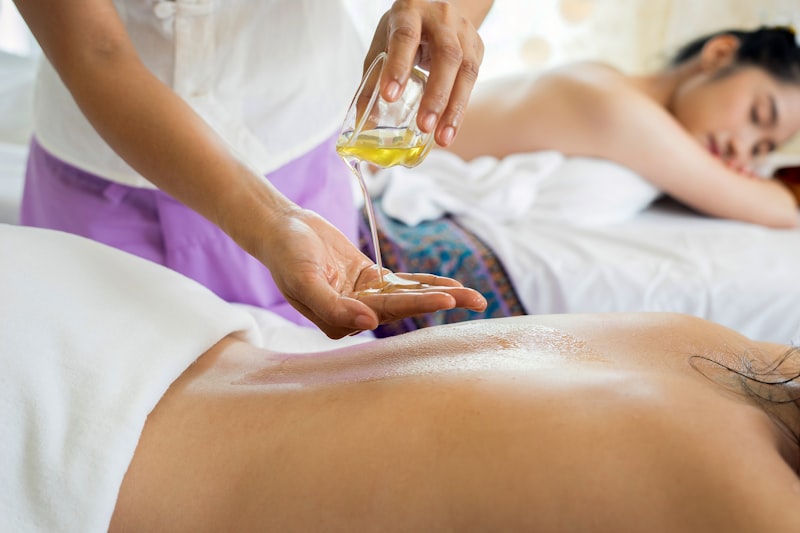
A relaxing massage works on the nervous system and the superficial muscle layer. The movements are broad, slow, and rhythmic, designed to reduce activation of the sympathetic nervous system and allow the body to settle into a resting state. The oil or cream used helps the hands glide smoothly, and pressure stays moderate throughout the session. There is no targeted work on specific areas — the goal is for the whole body to lower its level of alertness.
A deep-tissue massage, on the other hand, has a more specific aim: releasing muscle contractures. A contracture is an involuntary, sustained contraction of muscle fibers that produces those “knots” you feel when someone presses on your trapezius or lower back. Addressing them requires more intense pressure, deep friction techniques, and in many cases direct work on the tension points. The pace slows down in those areas because the therapist needs time for the tissue to release.
The table below summarizes the most relevant differences:
| Feature | Relaxing massage | Deep-tissue massage |
|---|---|---|
| Main goal | Reduce stress and general tension | Release specific muscle contractures |
| Pressure | Light to moderate | Moderate to deep |
| Predominant techniques | Effleurage, gentle kneading | Deep friction, trigger-point pressure |
| Areas worked | Whole body, globally | Areas with localized tension |
| Sensation during session | Pleasant, drowsy | May feel uncomfortable at tension points |
| Post-session sensation | Calm, lightness | Relief, possible mild muscle sensitivity |
| Ideal for | Stress, anxiety, general fatigue | Muscle pain, stiffness, prolonged fixed postures |
When to choose a relaxing massage
A relaxing massage is the right choice when what you need is to bring your overall tension level down — not necessarily to solve a specific muscle problem. If you’ve had a demanding week, if stress has built up in a diffuse way, or if you simply need a moment to disconnect, this is the massage for you.
It’s also a good option if it’s your first massage experience or if you’re sensitive to pressure. The sensation is pleasant from the very first minute, and it’s very rare for it to cause any discomfort. Many people fall asleep during the session, which is completely normal and a sign that the nervous system is responding well.
Another ideal moment for a relaxing massage is when you want to maintain a self-care habit without any specific complaint. Just as you look after your skin even when there’s no urgent issue, taking preventive care of your muscular system makes sense. A monthly or fortnightly session can help keep tension from ever building into a contracture.
When to choose a deep-tissue massage
A deep-tissue massage is the answer when there is localized muscle tension that won’t ease on its own. If pressing on your trapezius reveals a hard, painful spot, if you have neck stiffness that limits your range of motion, or if after long hours at a screen your lower back feels locked up, you’re describing contractures.
This kind of tension is very common in Bogotá, where a large part of the population works in offices or in conditions that involve fixed postures for hours on end. The cold plays a role too: when temperatures drop, muscles tend to contract protectively, which can aggravate areas that were already tense.
Deep-tissue massage is also useful after intense physical activity, when the muscles have worked hard and need help letting go. It doesn’t replace rest or stretching, but it complements both well.
It’s important to have realistic expectations: a contracture that has been there for weeks won’t always resolve in a single session. Muscle tissue needs time to reorganize, and sometimes two or three sessions are needed before you notice a lasting change. Your therapist can guide you on the most appropriate frequency for your situation.
What both have in common
Beyond their differences, relaxing and deep-tissue massages share an important foundation. Both improve local circulation, both activate the relaxation response of the parasympathetic nervous system to some degree, and both require you to be present and communicate how you feel during the session.
That communication is key. A good therapist doesn’t work in complete silence — they ask how the pressure feels, whether there are areas you’d prefer to avoid, whether you have any recent injuries. You can and should speak up too. If something feels too intense, say so. If you want more pressure on a particular area, ask for it. The session is yours.
Both types of massage also share the same basic aftercare: drink plenty of water, avoid alcohol in the hours that follow, and don’t expose yourself to extreme temperatures right afterward. Your body has just been through a process of tissue work, and those simple steps help the effects last longer.
How to take the next step
If this has given you a clearer sense of what you need, the path forward is straightforward. At Aqua Belleza Spa, located at Cra 11 #98-14 in northern Bogotá, both relaxing and deep-tissue massages are part of the body wellness services you can browse before booking. If you’re still unsure which to choose, you’re welcome to reach out through the Contact page and we’ll be happy to point you in the right direction.
Once you’ve decided, booking is simple from the Reservations page. Just remember to arrive a few minutes early so you can tell your therapist how you’ve been feeling lately — that two-minute conversation at the start of the session makes everything that follows far more precise and useful for you.
Self-care doesn’t need to be justified by an urgent problem. But when there’s a clear signal — like that tension you’ve been ignoring for days — it’s worth addressing it with the right tool.
Frequently Asked Questions
- Can I request both types of massage in the same session?
- Yes. Many therapists combine relaxing techniques on areas without deep muscle tension and deep-tissue techniques where there are knots or contractures. The key is to tell your therapist exactly how you feel before the session begins.
- Does a deep-tissue massage hurt?
- There can be moments of intense pressure, especially over tension points. The sensation is often described as a "good pain" — uncomfortable but relieving. If the pain feels sharp or unbearable, always let your therapist know so they can adjust the pressure.
- How often should I get a deep-tissue massage?
- It depends on your level of muscle tension and your daily routine. In general, one session every two to three weeks is a reasonable starting point for people who spend long hours in front of screens or in fixed positions. Your therapist can give you more tailored guidance after your first session.
- Are there any reasons to avoid either type of massage?
- Yes. Acute inflammatory conditions, recent injuries, clotting disorders, fever, or certain skin conditions are common contraindications. If you have any doubts about your health, consult your doctor before booking a session.