
Hair
How many hair hydration sessions does very dry hair need
If you have ever run your hand through your hair and felt like you were touching straw instead of hair, you know exactly what people mean when they say their hair is extremely dry. It is not just an aesthetic issue. Dehydrated hair breaks, loses its shine, tangles easily, and responds poorly to just about anything you try to do with it. Straightening it becomes a struggle, combing it hurts, and the products that used to work seem to have no effect at all.
The question I hear most often at the salon is a straightforward one: how many sessions do I need before my hair looks and feels good again? The honest answer is that there is no single number, because every person’s hair has its own history. But there are reasonable ranges, clear signs of progress, and reliable criteria for knowing when to move from the recovery phase into maintenance. That is exactly what you will find in this article.
What I explain here is not a magic formula or a promise of results within a specific timeframe. It is information based on how the hair fiber actually works and on what really happens during a well-managed hydration process. With that, you can make more informed decisions about your hair, whether you choose to treat it at home, at a salon, or with a combination of both.
Why hair becomes dehydrated and what that means in practice
Hair does not produce moisture on its own. It depends on two main sources: the water it absorbs from the environment and the lipids produced by the scalp, which act as a natural protective layer. When that layer deteriorates — whether through chemical processes, excessive heat, prolonged sun exposure, or simply genetics — hair loses water far more easily than it absorbs it.
At a structural level, hair is made up of layers. The outermost one is the cuticle, which works like the scales of a fish: when it is in good condition, those scales lie flat and the hair looks smooth and shiny. When hair is dry or damaged, the cuticles lift, making the hair look dull, feel rough, and become much more vulnerable to breakage. Hair hydration works precisely at that level: it aims to deliver water and active ingredients that help close the cuticle and restore the internal balance of the fiber.
The key point here is that this process does not happen in a single session. A lifted cuticle does not close permanently with one mask application. It requires repetition, consistency, and in many cases a change in the habits that caused the problem in the first place.
How a hair hydration process is structured by phase
When hair is very dry, it helps to think of the hydration process in two distinct stages: the recovery phase and the maintenance phase. Confusing them leads to one of the most common mistakes, which is abandoning the treatment just as the hair starts to improve.
The recovery phase is intensive. During this stage, the goal is to saturate the hair fiber with moisture and active ingredients that reinforce its structure. Sessions are more frequent here — generally every one to two weeks — and the products used tend to have a higher concentration of humectant and occlusive ingredients. This phase can last between four and eight sessions, although hair with severe damage from repeated bleaching or prolonged heat use may take a little longer.
The maintenance phase begins once the hair has recovered a noticeably better texture: it feels softer, tangles less, has more shine, and responds better to styling. At that point, frequency can be reduced to one session every three to four weeks. The goal is no longer to recover, but to sustain what was achieved and protect the hair from new episodes of dehydration.
Factors that determine how many sessions your specific hair needs
Not all dry hair is the same, and that changes the number of sessions required quite significantly. There are several factors a professional evaluates before defining a treatment plan, and it is worth knowing them so you can have realistic expectations.
The first is chemical history. Hair that has been bleached multiple times has a far more compromised cuticle than hair that has never undergone any chemical process. The same applies to hair with permanent straightening treatments or frequent dye applications. These hair types need more sessions and, in some cases, a combination of hydration with protein reconstruction treatments before hydration can be truly effective.
The second factor is heat use. Flat irons, curling irons, and hair dryers at high temperatures dehydrate hair cumulatively. If someone uses heat every day without thermal protection, each hydration session has to work against that constant damage. In those cases, the number of sessions needed increases, and progress is slower if the habit does not change.
The third factor is hair porosity. Highly porous hair absorbs moisture quickly but also loses it quickly. This means it may respond well from the first sessions in terms of immediate feel, but it needs more frequent sessions to maintain that result. Low-porosity hair, on the other hand, takes longer to absorb active ingredients, but once it retains them, it holds onto them for longer.
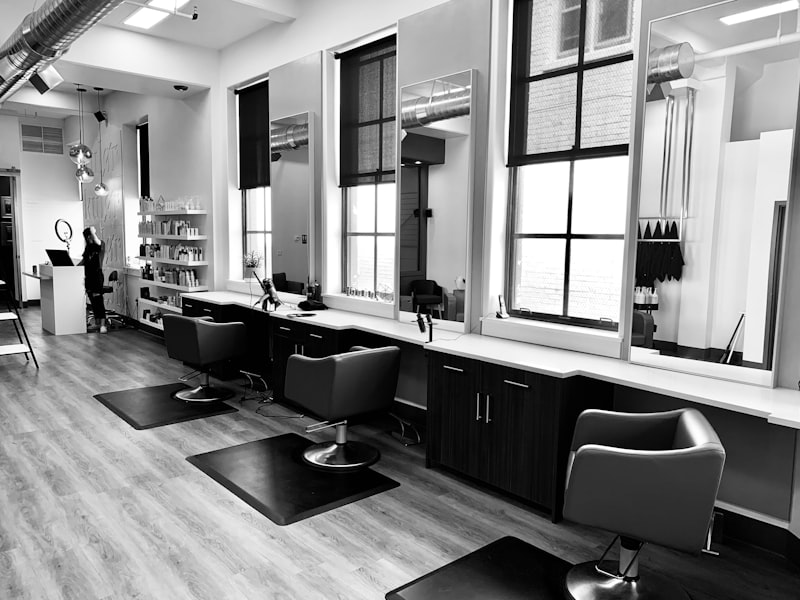
What happens session by session: what to expect during the process
One of the things that reassures people most is knowing what will happen at each stage. The hair hydration process does not follow a single script because it depends on each professional’s protocol and the products they use, but there is a general progression that tends to repeat itself.
In the first session, hair usually responds well in terms of immediate softness, but that effect may last only a few days if the damage is significant. This does not mean the treatment did not work — it means the hair fiber does not yet have the capacity to retain the moisture it received. This is normal and expected. The important thing is not to get discouraged.
Between the second and third sessions, most people start to notice more sustained changes. The hair tangles less, shine is more evident, and the length of time the softness lasts after each session grows longer. This is a sign that the cuticle is responding and that the fiber is beginning to retain moisture more effectively.
From the fourth or fifth session onward, if the process has been carried out at the right frequency and without major interruptions, the hair typically shows clear and consistent improvement. This is the point where many people feel they have reached their goal and want to space out sessions, which is fine as long as it is done gradually and maintenance is not abandoned entirely.
The role of at-home care between professional sessions
Salon sessions are essential, but they represent only part of the process. What you do with your hair the rest of the time carries equal weight, and in many cases it is what determines whether the treatment moves forward quickly or stalls.
Shampoo is the first thing to review. Shampoos with harsh sulfates remove dirt, yes, but they also strip away the hair’s natural lipids and the active ingredients left behind by the hydration session. For very dry hair, the ideal choice is a sulfate-free shampoo or one with mild sulfates that cleanses without stripping the fiber. This does not mean washing your hair less often if you do not want to — it simply means choosing a gentler product.
Hot water is another factor that few people consider. Showering with very hot water opens the cuticle and encourages moisture loss. Finishing your wash with a cool or lukewarm rinse helps close the cuticle and seal in hydration. It is a small step, but it makes a difference when done consistently.
Finally, drying. Rubbing hair vigorously with a towel damages the cuticle and creates frizz. The ideal approach is to gently press the towel against the hair to absorb excess water, or to use a cotton T-shirt, which is softer. If you use a hair dryer, keep a reasonable distance and always use a heat protectant.
When to see a professional and what to expect from a hair consultation
Although there is a lot you can do at home, the eye of a professional is hard to replace when hair is severely damaged. An experienced cosmetologist can identify whether hair needs pure hydration, protein reconstruction, or a combination of both — which completely changes the treatment protocol.
At Aqua Belleza Spa, located at Cra 11 #98-14, near Calle 98 in northern Bogotá, a hair analysis is the starting point before any hair treatment. There is no point in applying an intensive hydration treatment to hair that first needs protein, because the result will be disappointing and may create confusion about why the treatment did not work. That prior diagnosis is what makes it possible to design a session plan that actually makes sense for each person’s specific hair.
A hair consultation is also the moment to talk about habits, products used at home, and expectations. A professional can give you a realistic roadmap: approximately how many sessions you need, how often, and what changes to your routine will speed up the process. If you would like to explore the hair treatments available and their details, you can find them on the Services page. And when you are ready to get started, the Reservations page lets you book your session directly.
Signs that your hair has reached a good level of hydration
Knowing when your hair has reached a healthy state is just as important as knowing how many sessions it takes to get there. There are concrete signs that indicate the hair fiber has recovered its balance and that you can move to a more spaced-out maintenance rhythm.
The first sign is elasticity. Well-hydrated hair stretches slightly when gently pulled and returns to its shape without breaking. Dry, brittle hair, on the other hand, snaps with almost no resistance. You can test this with a single damp strand: hold it at both ends and stretch it gently. If it gives a little before breaking, the hydration is working.
The second sign is how the hair behaves when combed. Hydrated hair detangles with far less resistance, even when wet. If you used to have to wrestle with the comb and now the process flows smoothly, that is a clear indicator of improvement in the cuticle.
The third sign is natural shine. Not the artificial shine that a serum applied on top can give, but the shine that comes from the fiber itself when the cuticle is closed and reflects light evenly. That shine is a direct result of a healthy cuticle, and it is one of the most visible signs that the hydration process is delivering results.
If you have questions about the condition of your hair or want to learn more about how we work at Aqua Belleza, you can visit our About page or reach out through the Contact page.
Related references
Frequently Asked Questions
- How many hair hydration sessions does very dry hair need?
- It depends on the level of damage, but as a general rule very dry hair needs between four and eight initial sessions to recover sustained hydration. After that stage, one maintenance session every three to four weeks is usually enough.
- How often should you do a hair hydration treatment?
- During the recovery phase, one session every one to two weeks is recommended. Once the hair regains its balance, spacing them out to once a month is the standard approach for maintenance.
- Does hair hydration damage your hair?
- No. Hair hydration is a nourishing treatment that does not alter the structure of the hair. It delivers water and active ingredients that strengthen the hair fiber without any aggressive chemical processes.
- Can I do hair hydration at home between professional sessions?
- Yes, and it is actually recommended. Moisturizing masks at home complement professional sessions. However, in-salon treatments use a concentration of active ingredients and application techniques that are not easily replicated with consumer products.
- How long does each hair hydration session take?
- The time varies depending on hair length, density, and the protocol the professional uses. As a general guideline, a session can take anywhere from about forty minutes to approximately an hour and a half.
- Does hair hydration work for color-treated or bleached hair?
- Yes. In fact, color-treated or bleached hair loses moisture more easily, so it benefits especially from regular hydration cycles. It is one of the most recommended treatments after any chemical process.