
Lashes & Brows
Henna brows: what to expect before, during, and after the treatment
If you have ever finished a brow-shaping session feeling happy with the shape but wishing the color were a little more defined, you are probably ready to discover henna. It is not a new trend or an overhyped promise: it is a resource that beauty professionals have been using for years to add body, visual density, and uniformity to brows without resorting to a conventional chemical tint.
What makes henna brows interesting is not just the aesthetic result, but the process itself: a coloring technique that acts on both the hair and the skin, creating an effect of greater density that lasts for weeks. For those with light, sparse, or poorly defined brows, the change can be striking without looking artificial.
In this article I will explain how the procedure works, what sets henna apart from other coloring methods, what aftercare looks like, and who this technique is genuinely suited for. The goal is for you to arrive at your appointment with clear information, not with expectations built from social media photos.
What brow henna is and how it differs from traditional tint
The henna used on brows is a specific cosmetic formulation containing vegetable or semi-vegetable pigments designed to tint both the hair fiber and the surface of the skin. This sets it apart from conventional brow tint, which acts primarily on the hair and barely leaves a mark on the skin.
That ability to pigment the skin is precisely what gives it its distinctive value. By tinting the area between the hairs, henna creates an effect of greater density — as if the empty spaces had been filled in with small strokes. The result looks visually similar to a made-up brow, but without needing to apply product every morning.
It is important to clarify that brow henna is not the same paste used in body henna tattoos. Cosmetic formulations for this area are developed for use near the eyes, with controlled concentrations and without the components that could irritate sensitive skin. If you ever hear of someone using “body” henna on their brows, that is a practice professionals do not recommend.
How the procedure works, step by step
The process begins with a cleanse of the area to remove any residue of makeup, oil, or cream. This step is essential: if the skin has a layer of sebum or product on it, the henna will not adhere properly and the result on the skin will last less time than expected.
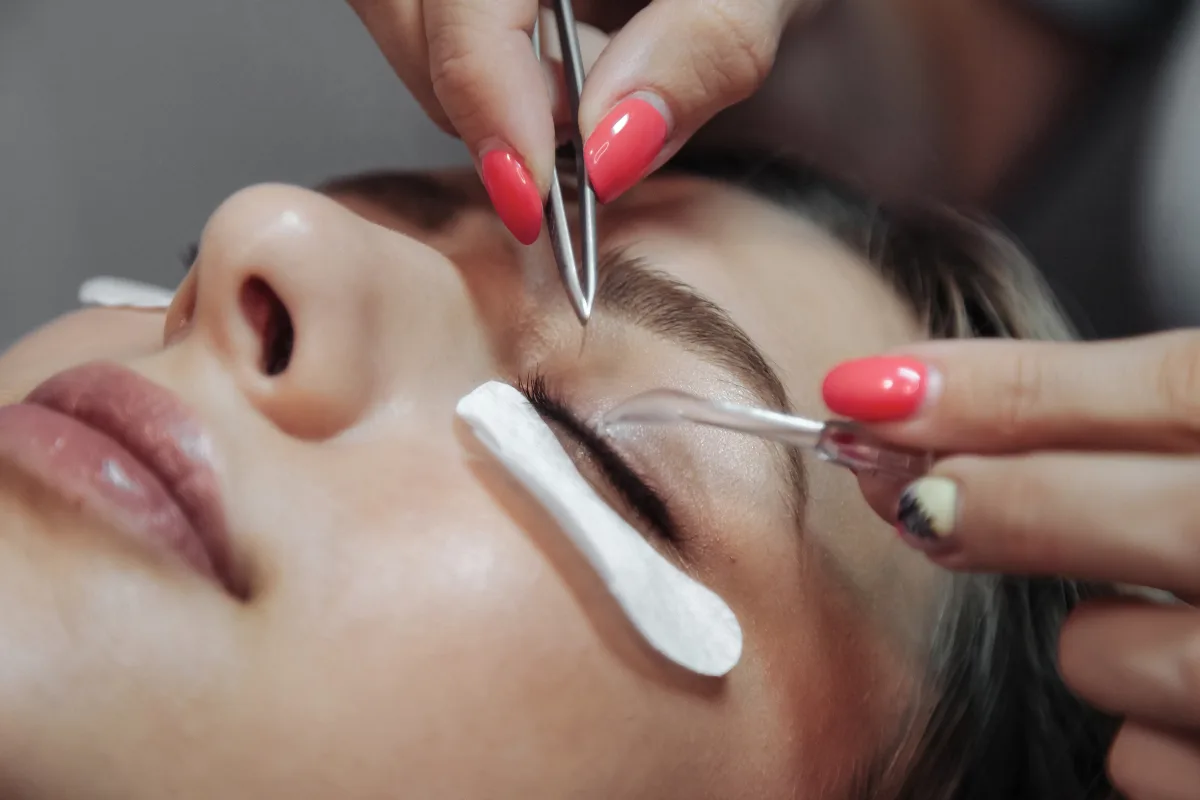
Next comes shaping, if it is being done. In most cases, the specialist removes excess hair with threading or wax before applying the henna, because it is much easier to define the shape when the hair is not yet tinted. Once the brow is shaped, the henna is applied with a fine brush, following the designed outline and filling the area with pigment. Processing time depends on the desired tone and hair type, but it generally falls between 10 and 20 minutes.
When the henna is removed, the specialist carefully cleans the area and evaluates the result. In some cases a second application is done to intensify the color. What you see immediately afterward may look darker than the final result in the days that follow: the tone settles and softens in the first 24 to 48 hours, so it is normal for the color to look more intense at first.
How long the result lasts and what factors affect it
On the hair, henna typically holds for four to six weeks. On the skin, the color lasts less — generally one to two weeks — because epidermal cells renew constantly and the pigment naturally exfoliates away.
Several factors influence how long the result lasts. Skin type is one of the most significant: oily skin produces more sebum, which speeds up the breakdown of pigment on the surface. Water exposure also matters: swimming in chlorinated pools, exfoliating the area, or applying acid-based products over the brows can shorten the duration. Base hair color plays a role too; on very light or grey hair, the pigment may behave differently and require longer processing time to achieve the desired tone.
The good news is that maintenance does not require much effort. Avoiding the brow area when exfoliating your face, not applying retinol or acids directly over the brows, and thoroughly drying the area after washing your face are simple habits that make a real difference in longevity.
Who henna brows are right for — and who should think twice
Henna brows are especially useful for those with sparse, light, or uneven hair, because the pigment on the skin creates the illusion of greater density. They also work very well for people who fill in their brows every day and want to cut that step from their routine, or for those who want a defined result without committing to something permanent like microblading.
This technique is not the best fit for skin with active wounds, eczema, psoriasis, or any irritation in the brow area. It is also not recommended during pregnancy — not because there is an absolute documented contraindication, but because it is generally advised to avoid non-essential cosmetic procedures during that period, especially in the first trimester. If you have a skin condition or are pregnant, consult your doctor before any cosmetic treatment.
People with very oily skin can have the treatment, but should have realistic expectations about how long the pigment lasts on the skin: in those cases, the color on the hair will hold well, but the “fill” effect on the skin will fade sooner than on other skin types.
Aftercare tips to extend the result
The first few hours after the treatment are the most important. For at least the first four hours, avoid getting the brows wet, sweating heavily, or applying any product to that area. The pigment needs time to fully set, and early moisture can interfere with that process.
From the following day onward, the care routine is fairly simple. When washing your face, avoid rubbing directly over the brows with a sponge or cloth. If you use a makeup remover, apply it carefully around the area without working it into the tinted hair. Facial oils and products containing chemical exfoliants are the main enemies of longevity: if you use them, apply them while avoiding the brow area.
Sun exposure can also fade the color faster than usual. If you spend time outdoors, a hat or sunglasses with side protection help. You do not need to overhaul your entire routine, but keeping these details in mind will help you get the most out of the treatment.
What to expect at a professional appointment in Bogotá
If you decide to get henna brows at a professional space, the process should always include an initial conversation about the tone you are looking for, your skin type, and whether you have any known sensitivities. A specialist who skips that part and goes straight to the application is not working with the care this area deserves.
At Aqua Belleza Spa, at Cra 11 #98-14, near Calle 98 in northern Bogotá, the henna brow service is part of a broader menu of brow and lash treatments. You can browse all available services and current pricing on the Services page, where you will also find the other brow options: lamination, lifting, extensions, and shaping.
If you are unsure which technique best suits your brows, the most useful thing is to arrive with a general idea of what you are looking for and let the specialist guide you based on the actual condition of your hair and skin. Reference photos help, but the professional needs to see your brows in person to give you an honest recommendation. You can reach us through the Contact page if you want to resolve any questions before booking.
One thing worth mentioning: if this is your first time with henna, do not schedule the appointment the day before an important event. The tone settles in the first 48 hours and what you see right after leaving the appointment is not the final result. Giving yourself that buffer lets you see the definitive color and arrive at the event with your brows looking their best.
When you are ready to book, you can do so directly from the Reservations page.
Related references
Frequently Asked Questions
- Do henna brows hurt?
- No. The procedure is completely painless. The henna is applied to the skin and hair without any pulling or heat. The only sensation you will feel is the brush gliding over the brow.
- Can I get henna brows if I have oily skin?
- Yes, although you should know that on very oily skin the tint on the skin tends to fade faster than on normal or dry skin. The color on the hair lasts just as long. Your esthetician can recommend a preparation step to extend the result.
- How long should I leave the henna on my brows?
- Processing time varies depending on the brand and the depth of tone you want to achieve, but it generally ranges from 10 to 20 minutes. Your esthetician will tell you the exact time based on your hair type and skin tone.
- Is brow henna the same as body henna?
- No. Brow henna is a specific cosmetic formulation, much more controlled in concentration and pigment. Traditional body henna is not designed for use near the eyes and should never be applied to this area.
- Can I combine henna brows with another brow service?
- Yes. Henna pairs very well with threading or waxing, which is done before the application. It can also be combined with a brow lamination if the specialist considers it appropriate based on the condition of your hair.
- How far in advance of a special event should I get henna brows?
- Ideally, 48 to 72 hours before. During the first 24 hours the tone can look darker and more intense than the final result; after that time the color settles and looks more natural.