
Nails
Rubber base for nails: what it is and what it actually does
If you’ve ever had a semi-permanent manicure and wondered why the polish sometimes stays flawless for weeks while other times it starts lifting after just a few days, the answer almost always lies in what happened before the color went on. The base applied underneath the polish isn’t just a filler step — it’s the foundation of the entire system. And among the bases available today, rubber base is the one that generates the most questions, precisely because its texture and behavior are unlike anything most people are used to.
This post is designed to help you understand exactly what this product is, how it works within a manicure, when it makes sense to use it, and what to expect before, during, and after application. There are no technical mysteries here — just clear information so you can make better decisions about your nail care.
What rubber base actually is and where the name comes from
The word “rubber” describes this product’s texture perfectly: once cured under the lamp, it forms a flexible, slightly elastic layer that moves with the natural nail rather than cracking under pressure. That elasticity is what sets it apart from traditional gel bases, which tend to be more rigid and therefore more prone to chipping when the nail bends or takes a knock.
In terms of composition, rubber base is a dual-cure gel: it contains resins that bond it to the nail plate and others that allow it to retain that characteristic flexibility after polymerization. It’s not a new product in the industry, but in Colombia its popularity grew noticeably in recent years as semi-permanent manicures became an everyday choice for many people.
It’s worth distinguishing it from other types of base on the market. A builder base, for example, has greater viscosity and is used to add structure or length. A conventional gel base is more fluid and focuses almost exclusively on adhesion. Rubber base sits in the middle: it bonds well, but it also levels out minor surface irregularities on the nail, making it especially useful on natural nails that aren’t perfectly flat.
What rubber base does in a manicure
Its primary function is to create a solid bridge between the natural nail and the semi-permanent polish or color gel. Without that bond, the polish has no uniform surface to grip and is far more likely to lift from the edges or the center.
But adhesion is only part of the story. Rubber base also acts as a leveler. Natural nails are rarely completely smooth — they have longitudinal ridges, small irregularities, or areas that are thinner than others. When a layer of rubber base is applied and cured correctly, those imperfections are covered under a uniform surface. The result is that the color polish, applied on top, looks more even and the final finish appears cleaner.
There’s a third function that many people overlook: protecting the natural nail. The rubber layer acts as a buffer between the nail plate and the rest of the system. That doesn’t mean the nail needs no care, but it is less exposed to the pigments in the polish and to certain external agents while the manicure is on.
How it’s applied and what happens at each stage
The process starts long before rubber base touches the nail. Surface preparation is everything: the technician gently files away the natural shine of the nail, removes residue with a brush, applies a dehydrator, and in many cases a primer or bonding agent. All of this creates the conditions for the base to have something to grip.
Once the surface is ready, the rubber base is applied in a thin, even layer, taking care not to touch the cuticle or the side edges of the nail. Technique matters here: a layer that’s too thick takes longer to cure evenly and can leave soft spots inside even if the surface looks dry. After application comes curing under a UV or LED lamp, which triggers polymerization and turns the liquid gel into that firm, elastic layer.
After curing, the technician can apply the semi-permanent polish or color gel directly on top. In some systems, a second thin layer of rubber is used to reinforce the leveling before the color goes on. That depends on the condition of the nail and the judgment of the person performing the service.
When rubber base makes the most sense — and when it doesn’t
Rubber base is especially useful on natural nails with pronounced ridges, on nails that tend to be more flexible or thin, and on people whose nails have a history of frequent lifting with other systems. It’s also a strong choice when you want a long-lasting result without adding too much thickness to the manicure, because it levels without building up.
For nails that already have considerable length or thickness from extensions or a previous build system, rubber may not be the most suitable base. In those cases, the technician usually evaluates which type of base fits the overall system best. There’s no single answer that works for everyone, and that’s precisely one of the reasons it’s worth trusting the assessment to someone with experience.
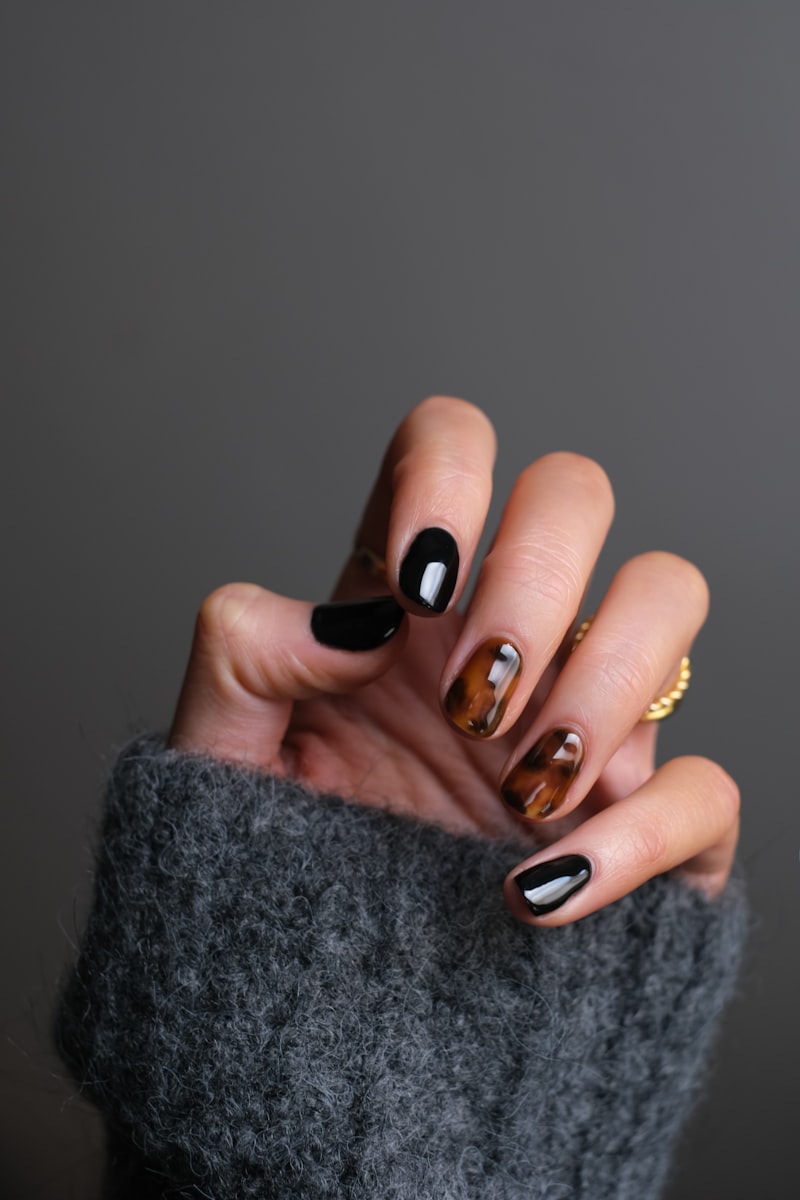
There’s also a context in which rubber base is used in a way that surprises many people: as a standalone layer, with no color polish on top. Rubber bases with nude or pink pigmentation can be worn as a final finish, giving a natural, polished look that protects the nail without adding color. It’s an option that works very well for those who prefer understated nails but still want the durability of the semi-permanent system.
How to care for your rubber base manicure so it lasts longer
Once your manicure is on, a few simple habits make a real difference in how long it lasts without lifting or chipping. The first is cuticle hydration: when the skin around the nail is dry and flaking, it can pull part of the polish away with it. Applying cuticle oil or hand cream daily helps keep that area flexible and healthy.
The second habit involves water exposure. Soaking your nails for extended periods — washing dishes without gloves or spending a lot of time in the pool — temporarily softens the nail plate and can affect the base’s adhesion. That doesn’t mean you can’t get your hands wet, but wearing gloves for prolonged household tasks noticeably extends the life of your manicure.
The third point is removal. When the manicure has run its course, the correct way to take it off is with acetone — no forcing or peeling. Ripping off the polish or the base is the fastest way to thin out the nail and create exactly the conditions that make the next manicure last less. If you don’t have time to do the full process at home, it’s far better to come back to the spa and have it removed properly.
What to expect on your next visit to the spa
When you come in for a semi-permanent manicure service at Aqua Belleza Spa, the conversation about which base to use is part of the initial assessment. The technician reviews the condition of your nails, your history of previous services, and what you’re looking for in terms of wear time and finish. From there, she decides whether rubber base is the right choice or whether another type of base suits your case better.
The semi-permanent manicure service at the spa includes full nail preparation, base application, color, and final seal. If you have specific questions about the type of base that will be used or about how to prepare your nails before coming in, you can reach us through the Contact page before your appointment. We’re located at Cra 11 #98-14, in the Chicó neighborhood in northern Bogotá, and we’re open Monday through Saturday during the day.
To see all available nail services and current pricing, visit the Services page. If you already know what you want and just need to book, the Reservations page lets you do it in just a few steps.
Related references
Frequently Asked Questions
- Does rubber base replace a traditional base coat?
- It depends on the system you're using. In semi-permanent and gel manicures, rubber base handles both adhesion and leveling at the same time, so in many cases it does replace a conventional base coat. That said, the technician assesses each situation based on the condition of the natural nail.
- Can rubber base be worn on natural nails without a color polish on top?
- Yes. There are rubber bases with nude or pink pigmentation that look great as a standalone layer, especially for those who prefer a natural look. They cure the same way under a UV or LED lamp and protect the nail just as effectively.
- How long does a manicure done with rubber base last?
- On average, a semi-permanent manicure with rubber base lasts between two and three weeks before the first visible lifting appears. The exact time varies depending on nail growth, cuticle hydration, and everyday habits.
- Does rubber base damage the natural nail?
- When applied and removed correctly, rubber base does not damage the nail. The risk comes from peeling off the polish instead of removing it with acetone, or from over-filing the nail during surface preparation. That's why it's important to trust this process to a professional.
- Do I need a special lamp to cure rubber base?
- Yes. Rubber base is a photo-polymerizable product, meaning it needs to be exposed to UV or LED light to harden. Curing time varies depending on the lamp and the product brand; your trusted nail technician will know the exact times.
- Can I apply rubber base at home?
- Technically it's possible if you have the right lamp and the correct product. Even so, nail preparation, thickness control, and even curing are details that make the difference between a result that lasts and one that lifts within days. A professional application always delivers better results.