
Nails
What are traditional nails? A complete guide to the classic manicure
There is a question we hear often when someone visits a nail spa for the first time: “What is the difference between traditional nails and all the other options?” It is a completely valid question, especially now that the nail services menu has expanded so much. Semi-permanent, polygel, acrylic, builder gel — there are many techniques available, and each one has its place. But before exploring all those options, it is worth understanding exactly what traditional nails are, because they remain the foundation on which every other service is built.
Traditional nails are not an outdated technique that has fallen out of use. On the contrary, they are the cleanest, most accessible, and most versatile service there is. Many people choose them precisely because they do not want to commit to a long-lasting product, because they have sensitive nails, or simply because they enjoy changing their color every week. Understanding what they involve helps you make more informed decisions about your personal care.
In this article you will find a detailed explanation of what a traditional manicure and pedicure includes, what materials are used, how it differs from other techniques, and what you should keep in mind when caring for your nails after the service. Straightforward and free of unnecessary jargon.
What is meant by traditional nails
When people talk about traditional nails, they are referring to the classic manicure and pedicure: the service that works exclusively on the natural nail, without applying extensions or products that require sealing under an ultraviolet lamp. The result is the person’s own nail — filed, hydrated, with the cuticle tended to, and covered with conventional polish.
Conventional polish, also called regular polish or bottle polish, is the product that has been used in beauty salons for decades. It is applied in thin coats, air-dries in a few minutes, and is removed easily with acetone or acetone-free nail polish remover. It does not need any kind of light to cure, which makes it a very gentle product for the nail plate.
This type of manicure is not simply “painting your nails.” It includes a complete preparation process: softening the cuticle, removing or pushing it back, filing the shape, buffing the surface if needed, hydrating the hands or feet, and finally applying the polish with a base coat and top coat. Each of those steps has a purpose and contributes to a result that lasts longer and looks better.
The steps of a traditional manicure explained one by one
The service begins with cleansing. Before touching the nail, the professional removes any residue from previous polish and assesses the condition of the nail plate: checking for dryness, peeling, visible fungal signs, or any condition that might require medical attention before the service. That initial evaluation is part of the responsible protocol of any well-run nail spa.
Next comes soaking or the application of a cuticle softener. The goal is to soften the tissue surrounding the nail so it can be worked without causing damage. After that, the shape is filed — square, oval, almond, round, or pointed, depending on the person’s preference and the natural length of the nail. Filing is always done in one direction to prevent the nail from splitting.
After filing comes hydration. Cuticle oil or hand cream is applied, a brief massage is given, and the excess is removed before the polish goes on. Finally, the base coat is applied, followed by two coats of color and the top coat. Each layer must dry sufficiently before the next one is applied. A well-done manicure is never rushed.
The difference between a traditional manicure, semi-permanent, and polygel
This is the question that causes the most confusion, and it is worth explaining clearly. All three techniques work on the nail, but with very different products and processes.
A traditional manicure uses conventional polish that air-dries. It lasts between three and seven days depending on how much you expose your hands to water, soap, cleaning products, or manual work. It is removed easily and leaves no residue on the nail. It is the lightest option of all.
Semi-permanent polish, also known as gel polish, uses a special lacquer that is sealed under a UV or LED lamp. That gives it much greater durability: two to three weeks on average. Removal requires acetone and a soaking period, and it must be done carefully to avoid damaging the nail plate. It does not add thickness to the nail, but it does expose it to a more intensive chemical process than regular polish.
Polygel, on the other hand, is an extension and reinforcement material. It is applied over the natural nail or over a form to build length or correct shape. It is lighter than classic acrylic, but it is still a product that adheres to the nail plate and requires a technical removal process. It is ideal for anyone who wants to significantly change the shape or length of their nails. You can see all of these options in detail on the Aqua Belleza Services page.
The traditional pedicure: more than aesthetics
A traditional pedicure follows the same logic as the manicure, but applied to the feet — and in many ways it is an even more important service for overall well-being. Feet bear the body’s weight all day long, are enclosed in shoes for hours, and rarely receive the attention they deserve.
A complete pedicure includes soaking the feet to soften the skin and cuticles, removing calluses with a pumice stone or electric file as needed, filing and shaping the nails, cuticle work, deep hydration with cream or shea butter, and finally polish application. Some protocols also include a heel and calf exfoliation.
Polish on the feet lasts considerably longer than on the hands, because toenails grow more slowly and are less exposed to friction and water. It is common for a traditional pedicure with regular polish to stay in good condition for two to three weeks. That is why many people opt for semi-permanent on their hands and regular polish on their feet — a perfectly valid combination.
Nail shapes in a traditional manicure
One of the advantages of a traditional manicure is that it allows complete freedom when shaping the natural nail. There is no mold imposing a silhouette; the shape is defined by the person’s own nail and their preferences. These are the most common shapes:
- Square: the edge is straight and the corners are defined. It is a classic shape that visually elongates shorter fingers.
- Round: the edge follows the natural curve of the fingertip. It is the safest option for those with fragile nails because it reduces breaking points.
- Oval: combines slightly filed sides with a softened tip. It is very popular because it slims the hand.
- Almond: narrower on the sides with a more pronounced tip. It requires a minimum length to be achieved well.
- Pointed or stiletto: the most extreme shape, with a very sharp tip. On natural nails it is difficult to maintain because the nail breaks easily in that form.
The shape you choose should take into account not only aesthetics but also your lifestyle. If you work a lot with your hands or type for hours, a shorter, rounder shape will last much longer than a long almond.
Colors and finishes in traditional polish
Conventional polish offers a variety of colors and finishes that is rarely fully appreciated. It is not just “red or pink.” The industry’s range includes thousands of shades in different finishes, and choosing well can make a real difference in the final result.
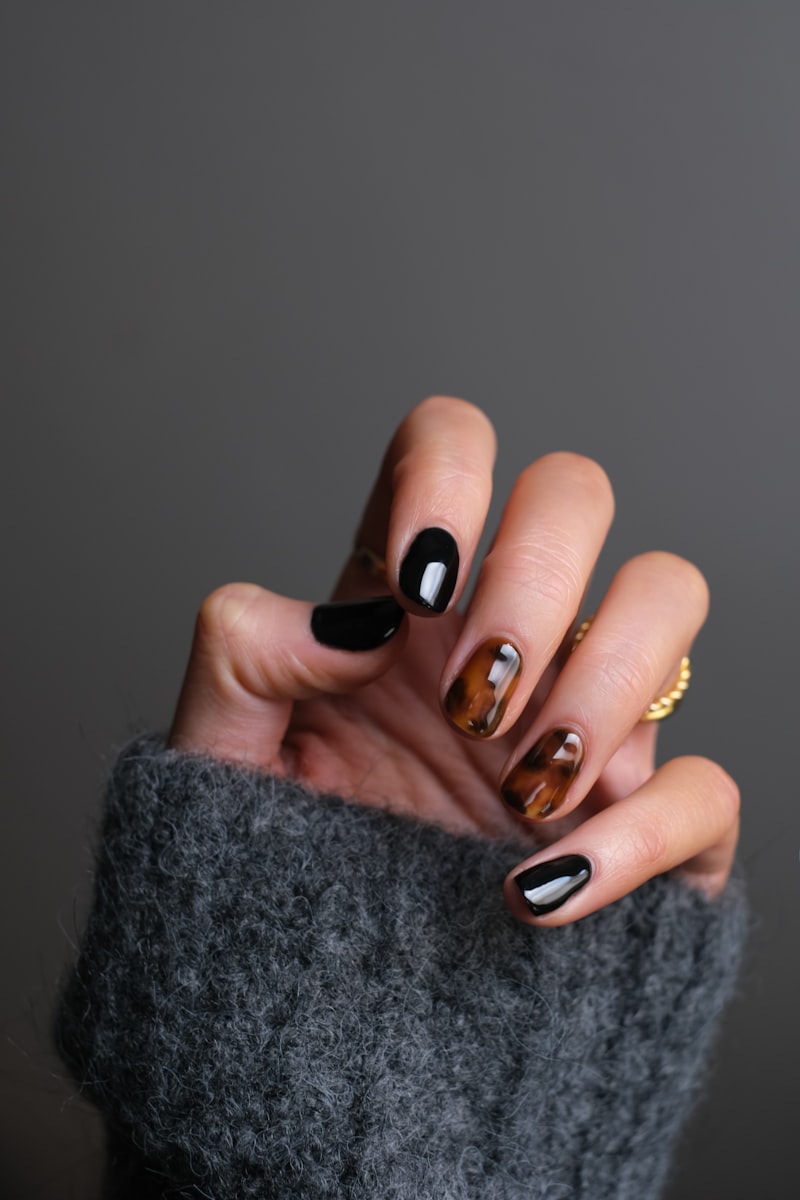
The most common finishes are cream, glossy, matte, satin, metallic, holographic, and glitter. Each behaves differently: matte finishes, for example, tend to show more surface imperfections on the nail, so they require more careful preparation. Glossy finishes are more forgiving and better at concealing small irregularities.
As for colors, trends change every season, but some shades never go out of style: classic red, a nude matched to your skin tone, milky white, and burgundy. If you are not sure what to choose, those four are a safe starting point for any occasion.
Care after a traditional manicure
Conventional polish needs a few hours to harden completely, even though it feels dry to the touch within minutes. During the first two to three hours after the service, avoid prolonged contact with water, do not wear tight latex gloves, and try not to press your nails against hard surfaces.
To extend the life of your polish at home, apply cuticle oil every two days. That simple habit keeps the nail plate hydrated and reduces the risk of polish lifting from the cuticle. Using gloves when washing dishes or cleaning with chemical products also helps.
If a nail breaks or the polish starts to chip sooner than expected, do not peel it off. Remove it properly with nail polish remover to avoid damaging the surface layers of the nail. A nail that is well cared for between appointments arrives in better condition at the next visit, and that shows in the result.
At Aqua Belleza Spa, located at Cra 11 and Calle 98 in the Chicó neighborhood of Bogotá, the team of nail technicians always checks the condition of your nails before starting and guides you on which service best suits your situation at that moment. The answer is not always the most elaborate service; sometimes a good traditional manicure is exactly what the nail needs to recover and look its best.
If you want to know which nail services are currently available or are curious about current pricing, you can check them directly on the Services page. And when you are ready to book your appointment, the Reservations page has everything you need to do it quickly and easily.
Related references
Frequently Asked Questions
- Do traditional nails last less time than semi-permanent polish?
- Yes. The conventional polish used in a traditional manicure lasts between three and seven days depending on your daily activity, while semi-permanent polish can hold up for two to three weeks on average.
- Can I get a traditional manicure if my nails are very short or brittle?
- Yes. In fact, a traditional manicure is one of the best options when nails are weak, because it does not require UV lamp curing or products that can dry out the nail plate.
- How often should I get a traditional manicure?
- Ideally every week or every ten days. That rhythm keeps the shape neat, hydrates the cuticle, and refreshes the polish before it starts to chip.
- Does a traditional manicure include cuticle cutting?
- It depends on the spa's protocol. Many places offer cuticle removal as part of the service; others work only with a pusher to avoid cutting live tissue. Ask before you start what the service includes.
- Can I combine traditional nails on my hands and a pedicure on my feet?
- Absolutely. It is a very common combination: a traditional manicure on the hands for those who prefer a lighter result, and a classic polish pedicure on the feet.