
Nails
How long does semi-permanent nail polish last and how to extend its wear at home
Few things are more frustrating than leaving the spa with a perfect manicure only to find a lifted corner five days later. If that has ever happened to you, you probably wondered whether the problem was the product, the technique, or something you did without realizing it. The answer is almost always a combination of all three, and understanding how each factor works gives you real tools to make your next semi-permanent manicure last as long as it should.
This post is not a list of magic tricks. It is an honest explanation of how semi-permanent polish behaves on the nail, what wears it down, and what you can do at home to protect that work. Because aftercare matters just as much as the application itself.
If you already know the service and just want the practical summary, the key facts are right below. If you prefer to understand the reasoning behind each recommendation, the full article walks you through it step by step.
What semi-permanent nail polish really is and why it lasts longer than regular polish
Semi-permanent nail polish is a hybrid formula that combines traditional nail polish pigments with gel polymers. Unlike regular polish, which dries in air as the solvent evaporates, semi-permanent polish must be cured under a UV or LED lamp so its molecules cross-link and form a hard, adhesive layer. That photopolymerization process is what gives it its characteristic durability.
When the application is done correctly, the result is a thin, flexible, sealed coat that does not chip the way conventional polish does. Instead, it tends to lift from the edges or cuticles if there is any flaw in the surface preparation or in the sealing of the free edge. That is why the technician’s technique is decisive: preparing the nail plate, degreasing it beforehand, and sealing the free edge are not optional steps.
On average, a semi-permanent manicure applied under optimal conditions lasts between two and three weeks. That range is wide because it depends on variables ranging from how fast your nails grow to your daily habits. Understanding those variables is the first step toward influencing the outcome.
The factors that shorten wear time prematurely
Premature lifting of semi-permanent polish rarely has a single cause. It is generally the accumulation of several conditions that build up until the adhesion breaks. The most common are:
Moisture trapped under the polish. If the nail was not completely clean and dry before application, or if there is any residue of oil or cream on the plate, the polish will not bond properly from the start. That is why it is important not to apply hand cream right before your appointment.
The thickness of the natural nail. Very thin nails or nails with peeling layers have less surface for the polish to grip. In these cases a strengthening base coat helps, but the nail needs time to rebuild its structure between services.
Frequent contact with hot water and chemical products. Washing dishes without gloves, using harsh cleaning products, or spending extended time in hot water softens the polish seal and encourages lifting from the edges. Pool chlorine is especially aggressive toward semi-permanent polish.
Dry cuticles and fast nail growth. When the cuticle is very dry, it tends to adhere to the polish and, as it naturally sheds, it pulls part of the gel with it. Keeping cuticles hydrated is not just aesthetic — it directly protects the longevity of the service.
Using nails as tools. This habit creates micro-leverage on the free edge that, repeated many times a day, ends up lifting the gel from the tip. It seems like a minor detail but it has a real impact.
How to prepare your nails before the service to maximize adhesion
What you do in the days leading up to your appointment matters. It is not about arriving with perfect nails — it is about not arriving with conditions that make adhesion harder.
Hydrate your cuticles with oil every day during the week before, but stop applying it on the day of the appointment. Hydration strengthens the skin around the nail and reduces the chance of the cuticle sticking to the polish, but residual oil on application day is counterproductive.
If you wear regular polish at home between services, remove it completely with non-acetate acetone before going to the spa. Arriving with polish residue or layers of hardening base coat on top complicates surface preparation.
Avoid cutting or pushing back your cuticles yourself right before the appointment. That is part of the service, and doing it without the right instruments can cause small irritations that affect the seal. Your technician will handle that area with the correct tools and under the appropriate hygiene conditions.
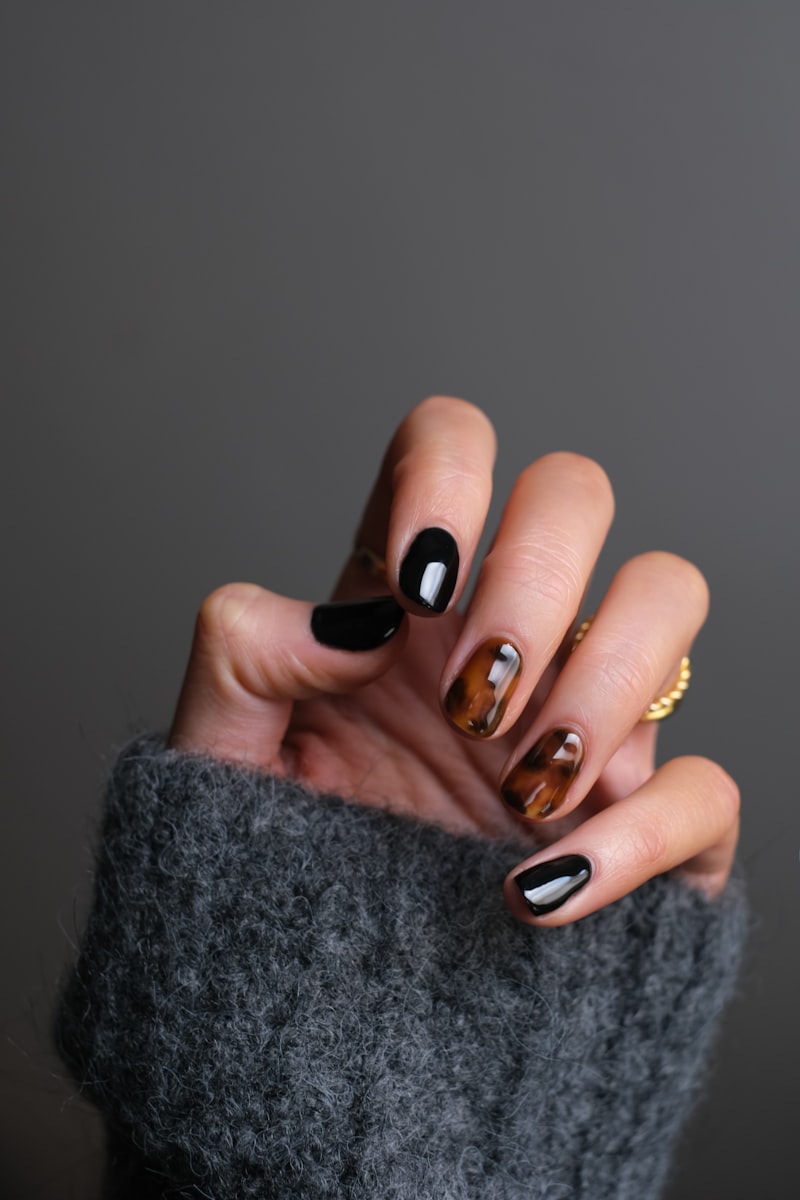
At-home care routine to make semi-permanent polish last longer
Once you leave the spa with your freshly applied semi-permanent manicure, the care you give it at home determines whether you make it to two weeks or three. It is not complicated, but it does require consistency.
Cuticle oil, every day. This is the most important habit. Oil keeps the skin around the nail flexible, reduces the risk of the cuticle pulling at the polish, and helps prevent the nail plate from drying out under the gel. Apply one drop to each cuticle at night and massage gently. It does not need to be an expensive product — jojoba, almond, or argan oils all work well.
Gloves for household tasks. Washing dishes, cleaning with degreasers, or using bleach are the activities that damage semi-permanent polish the most. A pair of rubber gloves is the simplest and most effective barrier you can put between your manicure and those products.
Moisturize your hands, not just your cuticles. Dry skin around the nail tends to pull at the polish as it moves. A regular hand cream, applied while avoiding the cuticle area when the semi-permanent is new, keeps the entire nail environment in better condition.
Do not use your nails as tools. Opening cans, peeling off stickers, typing with excessive force — all of these gestures apply lateral pressure on the free edge and create micro-fractures in the gel. It is a small habit change with a noticeable impact on wear time.
Protect your tips when washing your hair. Shampoo and conditioner are not aggressive on their own, but the combination of hot water, friction, and product can affect the seal of the free edge over time. Washing your hair with your fingertips rather than your nail tips helps.
When it is time to remove semi-permanent polish and how to do it properly
Semi-permanent polish should not stay on indefinitely. Beyond aesthetics, leaving gel on for more than three weeks without removal or maintenance can trap moisture under the coat and encourage fungal growth or weakening of the nail plate. When nail growth shows a visible strip of natural nail at the base, that is a sign it is time to act.
Correct removal requires pure acetone, cotton wool or absorbent paper, aluminum foil, and patience. The process is straightforward: saturate the cotton with acetone, place it on the nail, and wrap it with aluminum foil for approximately ten to fifteen minutes. After that time, the gel should be softened and should slide off with a wooden or plastic pusher without needing to be scraped hard. If you feel resistance, re-wrap for a few more minutes rather than forcing it.
What you must never do under any circumstances is peel or pull the polish off. That action removes not only the gel but also surface layers of the nail, leaving it thinned, rough, and with white patches. The nail takes weeks to rebuild those layers. If you are not practiced at home removal or prefer to be sure it is done without risk, at Aqua Belleza Spa removal is part of the process before every new application.
The difference a good application makes from the start
Everything you do at home has its limits if the original application was not executed properly. A base coat applied to a damp nail, color coats that are too thick to cure completely, or free edges left unsealed are flaws that no cuticle oil can compensate for.
A correct application includes: cleaning and degreasing the nail plate, cuticle preparation, application of a semi-permanent-specific base coat, two thin color coats cured individually, and complete sealing of the free edge with the top coat. Each coat must spend the necessary time under the lamp for curing to be complete. Rushing any of those steps translates directly into premature lifting.
That is why it is worth choosing carefully where you get the service done. The northern area of Bogotá has many options, and near Calle 98 spas vary considerably in technical level. What separates a result that lasts two weeks from one that lasts five days is almost always decided in the first minutes of the application, during nail preparation. If you want to see the nail services available and their current details, you can check the Services page where up-to-date information is listed.
When you are looking for consistent results, the experience of the professional team and the products they use make a real difference. If you have questions about which service best suits your nails or want to know whether semi-permanent is the right option for your nail plate type, you can reach us through the Contact page before booking.
What you can realistically expect from each service
Setting clear expectations prevents disappointment. On well-prepared nails, with a technically correct application and basic at-home care, semi-permanent polish lasts between two and three weeks on average. That range exists because nails are not all the same: fast-growing nails will reach the point where the growth strip becomes visible sooner, even if the polish is perfectly adhered. Shorter nails with less exposure to intensive manual activities tend to hold up better for longer.
If you consistently reach ten days with lifting, something in the chain is worth reviewing: your pre-appointment preparation, your care habits, or the possibility that your nail plate needs a strengthening period before the next service. It is not normal for semi-permanent polish to last less than two weeks when everything is done correctly.
If, on the other hand, you reach three weeks without issues, that is a sign the combination of application and care is working. At that point, the recommendation is to remove and renew rather than wait longer, both for aesthetics and for nail health.
To book your next service or check availability, you can do so directly on the Reservations page.
Related references
Frequently Asked Questions
- Does semi-permanent nail polish damage natural nails?
- When applied and removed correctly, semi-permanent polish does not damage the nail. Damage occurs when the polish is peeled off instead of being removed with acetone and the proper process. A trained professional protects the integrity of the nail plate throughout every service.
- Can I apply semi-permanent polish over acrylic or polygel nails?
- Yes, semi-permanent polish can be used as a finish coat over polygel or acrylic extensions. In that case, longevity also depends on the maintenance of the extension itself, which is generally scheduled every three to four weeks.
- What should I do if a corner of my semi-permanent polish lifts before it is time?
- Avoid pulling it. Trim the lifted section with small scissors so it does not snag on clothing or surfaces, then contact your spa to schedule a touch-up. Pulling the polish can take layers of the nail with it.
- How many coats of semi-permanent polish are normally applied?
- The standard sequence is: base coat, two color coats, and a top coat, each one cured under a UV or LED lamp. Some techniques add an extra color coat for greater coverage, depending on the shade chosen.
- Can I remove semi-permanent polish at home?
- It is possible, but it requires pure acetone, aluminum foil, a little patience, and you must never scrape the nail forcefully. If you are unsure about the process, it is better to visit the spa so a professional can remove it without compromising the nail plate.
- Does hot water affect semi-permanent polish?
- Yes. Prolonged exposure to hot water — such as frequent baths or jacuzzi sessions — can soften the polish seal and cause premature lifting. Wear gloves when you can and limit soaking time.