
Nails
Dip powder nails: what it is, how it works, and how long it lasts
If you’ve been following nail trends for a while, you’ve probably heard of dip powder. It comes up in spa conversations, on nail art profiles, and in the questions many clients bring to their first appointment: “Is it the same as acrylic? Is it better than gel polish? Does it really last as long as people say?” These are completely valid questions, because dip powder is a technique with its own distinct characteristics that aren’t always explained well.
This article is designed so you arrive at your next appointment with clear information. We’ll cover exactly what dip powder is, how it’s applied step by step, how long it lasts under real-world conditions, what care it needs, and how it differs from other techniques you’re probably already familiar with. No exaggerated promises or unfair comparisons — just what you need to make an informed decision about your nails.
The goal isn’t to sell you on anything. It’s to help you understand the technique well enough to know whether it suits your lifestyle, your nails, and what you expect from a manicure service.
What dip powder is and where the technique comes from
Dip powder, also called a dip powder manicure or powder manicure, is a nail technique that uses a very finely milled acrylic powder combined with an adhesive resin to create a durable layer over the natural nail. Unlike traditional acrylic, it requires no liquid monomer, and unlike gel polish, it needs no UV or LED lamp to cure. Hardening happens through a chemical reaction between the adhesive and the powder, similar to how cyanoacrylate works.
The technique has existed for several decades, though it gained widespread popularity in the 2010s when videos of the process began circulating on social media. What caught many people’s attention was the speed of application, the wide variety of colors available, and the natural appearance it delivers — much closer to a real nail than what’s typically achieved with sculpted acrylic.
Today dip powder is an established option in professional manicure services. It’s not a passing trend or an experimental novelty. It’s a technique with its own learning curve, concrete advantages, and real limitations, and it deserves to be understood on those terms.
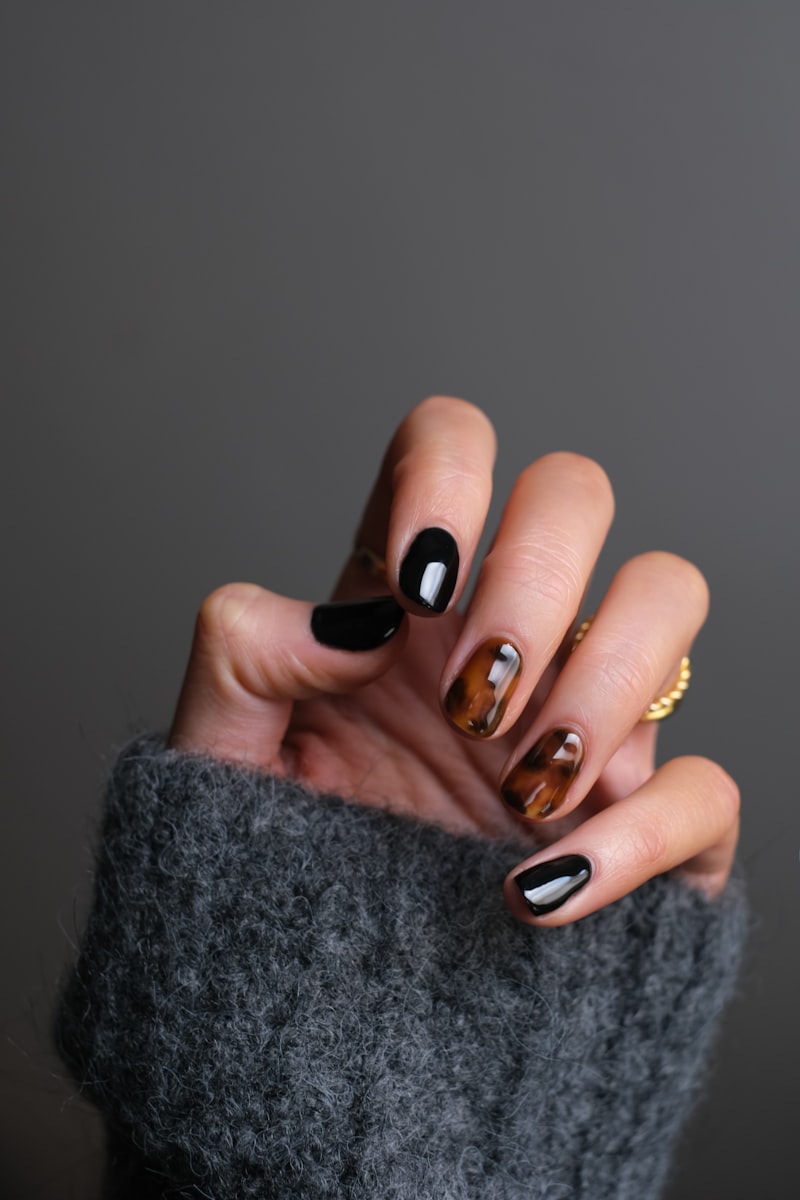
How dip powder is applied, step by step
The process begins the same way as any professional manicure: nail preparation. That includes removing previous polish, pushing back the cuticle, filing the desired shape, and cleaning the surface to remove any oil or residue. This stage matters more than it might seem, because if the nail has natural oils or debris on it, the adhesive won’t bond properly and the product may lift ahead of time.
Next, a layer of adhesive base (called a base coat or bonder) is applied to the nail. Before it dries, the colored powder is dipped or dusted onto that layer. The excess is brushed away with a soft brush and the process is repeated two to four times depending on the chosen color and the opacity desired. Light or pastel shades typically need more coats than dark ones. After the color layers, an activator is applied to harden the powder, followed by a topcoat that seals everything and delivers the final shine. The result is then filed and buffed to leave the surface smooth and even.
The full process takes roughly one hour, though this can vary depending on the technician’s skill, the condition of the nails, and whether nail art or designs are included. There’s no waiting time under a lamp, which is a practical advantage for many people.
How long dip powder lasts under real-world conditions
The average lifespan of dip powder is three to four weeks. That’s the range observed in most people with normal nail growth and basic at-home care. Some people make it to five weeks without any lifting or breaking, but that depends on several factors that aren’t always within your control.
Nail growth is the most visible factor: by the two-week mark you can already see a gap at the base — the area of new nail that has grown in without product. That doesn’t mean the dip powder is failing; it means your nail is growing normally. When that gap becomes very noticeable or starts to bother you aesthetically, it’s time for a fill or a full new set. Lifestyle also plays a big role: if you work with your hands in water frequently, use cleaning products without gloves, or have a habit of opening things with your nails, the lifespan shortens. On the other hand, people who keep their nails moisturized and avoid prolonged contact with hot water tend to get longer-lasting results.
Product quality and application technique are also decisive factors. A good-quality powder applied with proper preparation adheres very differently from a lower-quality one applied over a poorly prepped nail. That’s why choosing where you get the service matters just as much as the service itself.
How dip powder differs from acrylic and gel polish
This question comes up almost every time, because all three techniques aim for similar results but work in very different ways. Traditional acrylic is mixed at the time of application by combining a powder with a liquid monomer that has a strong, distinctive smell. It allows length and structure to be built from scratch, making it ideal for extensions. Dip powder doesn’t use that liquid, which eliminates the odor and reduces exposure to certain volatile compounds during application.
Gel polish, on the other hand, is a gel-based polish that cures under a UV or LED lamp. Its application is more similar to regular nail polish — it’s thinner and more flexible — and its average lifespan is two to three weeks, slightly less than dip powder. Gel polish is excellent for those who prefer a very natural, thin result. Dip powder offers more resistance and durability in exchange for a slightly thicker finish.
Polygel, another technique offered in professional nail services, is a hybrid between gel and acrylic that is shaped with a spatula and cured under a lamp. It’s more versatile for building shapes and lengths. Each technique has its place depending on the result you’re after, the condition of your nails, and your daily routine. If you’re unsure which one suits you, you can browse the options on the Services page or ask your nail technician directly at your appointment.
How to care for dip powder so it lasts longer
Aftercare makes a real difference in longevity. The first tip is to avoid prolonged hot water exposure in the hours right after application, while the seal finishes setting. After that, the biggest enemy of dip powder is repeated water exposure without protection: washing dishes, cleaning the bathroom, or working with cleaning products without gloves wears down the finish and can cause the product to lift from the edges.
Keeping cuticles moisturized with a dedicated oil or cream helps the natural nail stay flexible and prevents it from cracking underneath the product. It also improves the overall appearance by keeping the cuticle from looking dry or neglected around the dip powder. Applying cuticle oil every night is a simple habit that has a visible impact within just a few weeks.
Avoiding using your nails as tools — opening cans, scraping off labels, or typing with excessive force — also extends the life of dip powder. These habits may seem minor, but they accumulate pressure on the free edge of the nail and can cause breaks or lifting.
How dip powder is correctly removed
Removal is just as important as application. The most common and most damaging mistake is trying to peel or scrape off dip powder when it starts to lift. That action takes layers of natural nail with it, leaving the surface thinned, sensitive, and prone to breaking. It’s not the product that damages the nail — it’s incorrect removal.
The correct process starts with lightly filing the topcoat layer to break the surface seal. Then pure acetone or a remover solution is applied with cotton, each finger is wrapped in foil, and you wait several minutes until the product softens. Once soft, it’s gently pushed off with a wooden stick or a blunt-tipped tool without applying pressure. If there’s resistance, more acetone is applied and you wait a little longer. The process is deliberately unhurried.
At Aqua Belleza Spa, in northern Bogotá near Calle 98, removal is always carried out with this protocol to protect the integrity of the natural nail. If you’re coming in with dip powder from another salon and need it removed before a new set, it’s important to mention that when booking so the appointment time can be calculated correctly. You can make your reservation on the Reservations page or reach us through the Contact page if you have questions before coming in.
Who benefits most from dip powder — and who should consider another technique
Dip powder is a good option for people who want durability without the thickness of acrylic, who prefer not to be exposed to a UV lamp during their appointment, or who have relatively strong natural nails and want to protect them while they grow. It also works well for those with an active lifestyle who need a product that holds up through daily life without frequent touch-ups.
That said, it’s not the ideal technique for everyone. If your natural nails are very thin or damaged from previous incorrect removals, it may be better to give them a recovery period with hydrating and strengthening treatments before applying any product on top. If you want to build length from scratch or achieve very elaborate shapes, acrylic or polygel offer more structural versatility. And if you prefer a very thin, lightweight result, gel polish may feel more comfortable.
The conversation with your nail technician before choosing a technique is part of the service, not an add-on. An experienced professional can assess the condition of your nails, ask about your routine, and recommend the option that genuinely suits you. If you’d like to learn more about the team and the approach at Aqua Belleza, you can read a little more on the About us page.
Related references
Frequently Asked Questions
- Does dip powder damage natural nails?
- Not necessarily, as long as the application and removal are done correctly. Damage almost always happens when the product is peeled off instead of being removed with acetone and proper technique. With a trained professional the risk is minimal.
- Can I get dip powder if my nails are very short?
- Yes. Dip powder adheres well even on short nails and can help give them a more uniform appearance while they grow. The nail technician will assess whether a form or tip is needed to achieve the length you want.
- How long does dip powder last on nails?
- On average, three to four weeks, though it can last a little longer depending on nail growth and how well you care for your hands at home. By the two-week mark a gap usually appears at the base — that's the sign it's time for a fill or a fresh set.
- Can dip powder be done with nail art or designs?
- Yes, although the nail art options are somewhat more limited than with gel or acrylic because the surface is sealed with a topcoat. Color gradients, built-in glitter, and some simple designs are achievable. For very elaborate designs, other techniques may be more versatile.
- How is dip powder removed?
- The surface layer is lightly filed to break the seal, then pure acetone or a remover solution is applied with foil wraps for several minutes. The product softens and is gently pushed off with a wooden stick without applying pressure. It should never be peeled or scraped off forcefully.
- Can I combine dip powder with gel polish?
- Layering both techniques is not recommended. Each has its own application and removal process, and combining them can compromise adhesion and make removal more difficult. It's best to choose one technique based on the result and longevity you're looking for.