
Nails
Paraffin for hands: what it is, what it does, and how to get the most out of it
If you have ever finished a manicure and noticed that your nails look perfect but your skin is still dry, rough, or plagued by stubborn cuticles, chances are no one has told you about paraffin treatments. It is not a new or complicated procedure, but it is one of the most underrated steps in any hand-care routine. Many people associate it exclusively with luxury spas or joint therapy, not realizing it is accessible, quick, and delivers results you can feel after just one session.
A paraffin hand treatment is, at its core, a warm wax bath that wraps the skin in moist heat for a few minutes. That heat is not just for show: it has a real effect on local circulation, the absorption of moisturizing products, and overall skin softness. It is one of those treatments that looks simple from the outside but has solid, well-founded logic behind it.
In this article I explain exactly what paraffin is, what it does, how the procedure works step by step, who can and cannot get it, and what to do afterward to extend the results. If you have specific questions, the most common ones about this treatment are answered in the FAQ section rendered automatically at the end of the page.
What paraffin wax is and why it is used in cosmetology
Paraffin is a petroleum-derived wax that, in its cosmetic form, is refined until it becomes odorless, colorless, and free of irritating properties. At room temperature it is solid, but it melts at relatively low temperatures, which makes it safe for direct skin contact when handled correctly.
Cosmetology has used paraffin for decades precisely because its low melting point allows it to be applied warm without the risk of burns when the right equipment is used. As it solidifies on the skin it forms a kind of glove that traps body heat and creates a moist-heat environment that promotes superficial vasodilation — meaning the small blood vessels in the area dilate slightly, improving local circulation.
That warming effect has a direct consequence: the skin becomes more receptive to the active ingredients applied before the paraffin bath. If a moisturizing cream, oil, or serum is applied before the hands are dipped, the heat from the wax boosts the absorption of those ingredients. That is why a paraffin treatment does not work the same way on its own as it does when combined with well-chosen products.
What paraffin does for your hands: real benefits
The most visible benefit — and the one most often mentioned by people who get this treatment regularly — is hydration. The hands are one of the most exposed parts of the body: sun, water, soap, and rough surfaces all take a toll on the skin, yet the hands are also one of the areas we least consciously moisturize. The result is dry skin, hardened cuticles, small cracks on the knuckles, and a rough texture that no overnight cream fully resolves.
Paraffin addresses that dry skin in a way that creams alone cannot replicate: the heat opens the pores, the occlusion of the wax prevents moisture from evaporating during the treatment, and moisturizing actives penetrate more effectively. When the wax is removed, the skin is noticeably softer, the cuticles are supple, and the overall texture has improved in a way you can clearly feel.
Beyond hydration, the heat has a relaxing effect on the joints and muscles of the hand. For people who spend long hours at a computer, do manual work, or simply carry tension in their hands, that relief is part of the appeal. It is not a medical procedure and does not replace any treatment for joint conditions, but the sense of well-being it produces is real and tangible.
How a paraffin treatment works, step by step
The protocol can vary slightly depending on the spa and the products used, but in general it follows a logical sequence that is worth knowing so you understand what to expect when you arrive for your appointment.
The first step is usually a hand cleanse to remove any residue of cream, dust, or dirt. Many protocols also include a gentle exfoliation with a sugar or salt scrub, which removes dead skin cells and prepares the skin to absorb the subsequent actives more effectively. This prior exfoliation is not a minor detail: it makes a real difference in the final result.
After exfoliation, the moisturizing cream or oil is applied. This is where each spa can personalize the treatment according to skin type: there are more occlusive formulas for very dry skin and lighter ones for skin that only needs maintenance. Then comes the paraffin dip: the hands are submerged several times in the warm wax bath until a thick, even layer has formed. They are then wrapped in a plastic bag and then in a towel or thermal glove to retain the heat. The resting time lasts approximately ten to twenty minutes, depending on the protocol. When the wax is removed, the skin is left soft, warm, and noticeably healthier-looking.
Who can get a paraffin treatment and who should avoid it
Paraffin is well tolerated by most people, but there are conditions in which it is not recommended. It is important to know them before booking your appointment.
Paraffin should not be applied over skin with open wounds, recent cuts, burns, or abrasions. It is also not recommended in the presence of active eczema, a psoriasis flare-up, contact dermatitis, or any inflammatory skin condition on the hands. In these cases, the heat and occlusion can worsen irritation rather than relieve it. If you have any of these conditions, the sensible approach is to check with your doctor before getting the treatment.
People with diabetes or circulatory disorders should also exercise caution, as they may have reduced sensitivity to heat and may not notice if the temperature is too high. In these cases, a trained professional can adjust the protocol, but it is essential to inform them of the condition before starting. For healthy individuals with no contraindications, paraffin is a safe and pleasant treatment that can be done regularly without adverse effects.
How to combine paraffin with other manicure services
One of the most common questions is whether paraffin can be done alongside a manicure or whether you have to choose one or the other. The short answer is that they complement each other very well, and in fact many spas offer paraffin as an add-on to a traditional or semi-permanent manicure.
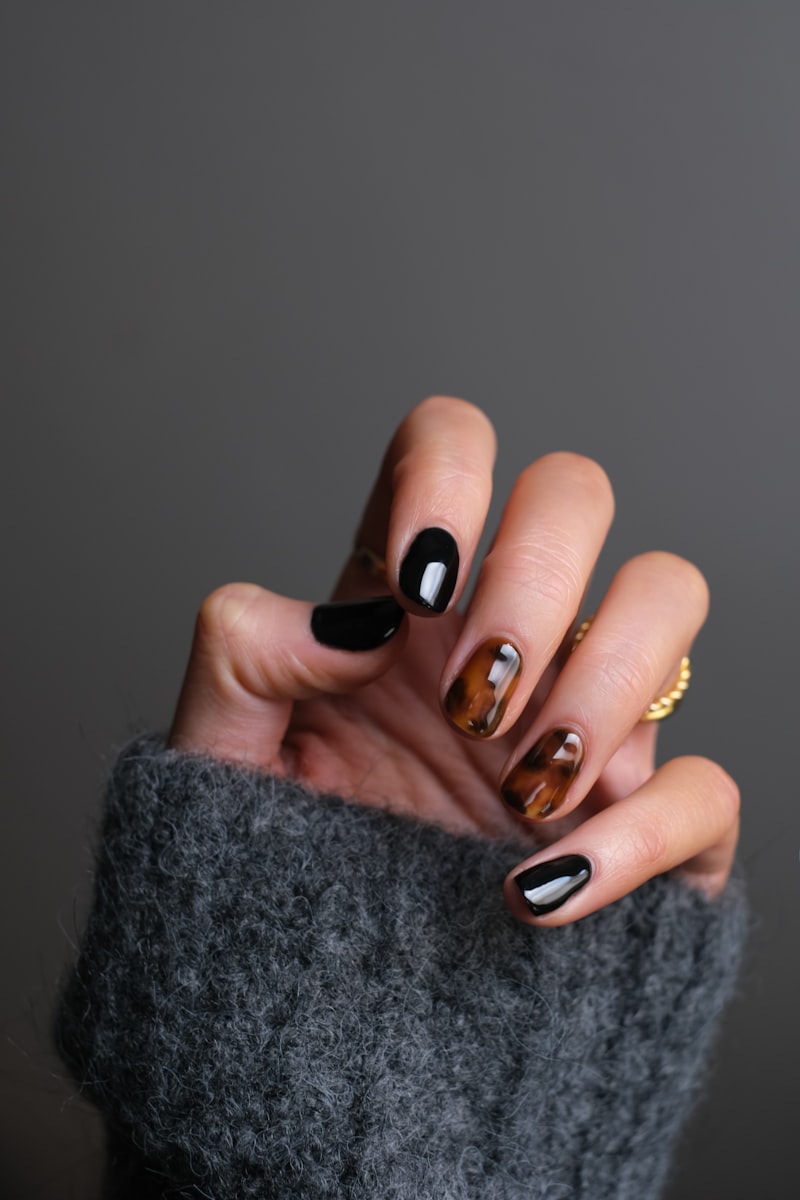
The logic is straightforward: the manicure takes care of the nails — shape, polish, and cuticle work. The paraffin takes care of the skin of the hand itself. They are two distinct actions on two distinct areas, and when combined the result is more complete than either one alone. The usual approach is to do the paraffin before applying polish, so the skin is soft and the cuticle well hydrated by the time the esthetician works on it.
If you already have semi-permanent polish or polygel on your nails and want to add paraffin at a later visit, that is also possible. The wax does not damage semi-permanent polish under normal conditions, but it is a good idea to mention it to your esthetician so they can adjust the protocol if necessary. At Aqua Belleza Spa, on Cra 11 at Calle 98 in northern Bogotá, you can consult with the professionals about which combination makes the most sense given the current condition of your hands and nails. Available services and their current details are on the Services page.
Post-treatment care to extend the results
The paraffin treatment does its work during the session, but what you do afterward determines how long those results last. Freshly treated skin is at its most receptive, making it the ideal moment to establish a moisturizing routine that keeps it that way.
The most important thing is to apply hand cream regularly after the session, especially at night. A cream containing urea, glycerin, shea butter, or hyaluronic acid works well for keeping the skin barrier hydrated. It is also worth applying sunscreen to the back of the hands during the day, as this area is highly exposed and freshly treated skin can be slightly more sensitive during the first few hours.
Avoid washing dishes or using cleaning products without gloves in the hours following the treatment. Hot water and detergents dehydrate the skin and can undo part of the work the paraffin did. If your daily routine involves a lot of contact with water or chemical products, latex or nitrile gloves are your best allies for maintaining results between sessions.
When to expect results and how often to repeat the treatment
After the first session, results are immediate in terms of skin softness and appearance. The skin feels different to the touch as soon as the wax is removed. However, for very dry or cumulatively damaged skin, a single session does not resolve everything: it is the beginning of a process.
For skin with moderate to severe dryness, it can be helpful to schedule sessions more frequently at first — for example, every two weeks — and then space them out to once a month once the skin’s baseline condition has improved. For skin that only needs maintenance, a monthly session is usually enough to sustain softness and hydration. Your esthetician can give you better guidance once they have seen the actual condition of your skin.
What is clear is that paraffin is not a one-time treatment. Like any skincare practice, it works best when integrated into a routine rather than done sporadically. If you want to get started or have questions about what to expect at your first session, you can reach us through the Contact page or find out how to book your appointment on the Reservations page.
Related references
Frequently Asked Questions
- Does a paraffin hand treatment hurt?
- No. Paraffin wax is applied at a temperature that feels warm but does not burn. The sensation is similar to dipping your hands into warm water. If you feel any discomfort at any point, let your esthetician know right away.
- How often can you get a paraffin treatment?
- It depends on the condition of your skin. For very dry skin, a session every one to two weeks can be helpful at first. For maintenance, once a month is usually enough. Your esthetician can guide you based on how your skin responds.
- Can I get a paraffin treatment if I have semi-permanent polish or polygel on my nails?
- Yes, in most cases paraffin does not affect semi-permanent polish or polygel because the wax is applied to the skin and not directly onto the nail surface in an aggressive way. Even so, mention it to your esthetician before you start so they can adjust the protocol if needed.
- Are there people who should avoid paraffin treatments?
- Yes. Paraffin is not recommended if you have open wounds, cuts, burns, active eczema, a psoriasis flare-up, or any inflammatory skin condition on your hands. If in doubt, check with your doctor first.
- Does paraffin moisturize the nails as well as the skin?
- Paraffin works primarily on the skin of the hands, the cuticle, and the periungual area. It can help the cuticle look softer and more hydrated, which improves the overall appearance of the nail, but its main action is on the skin tissue.
- Can I do a paraffin treatment at home?
- Home paraffin baths exist, but the results are not the same. At a spa, the temperature is precisely controlled, the wax is combined with specific moisturizing products, and the protocol includes a massage and prior exfoliation. The professional setting makes a real difference in the outcome.