
Body & Massage
Lymphatic drainage: what it actually does and how it works
If you have ever ended a long day with heavy legs, slightly swollen ankles, or that vague feeling that your body just cannot quite “switch off,” chances are someone has suggested lymphatic drainage. And you may not have been entirely sure whether it was something that would genuinely help you or simply a spa trend.
The honest answer is that lymphatic drainage is a technique with real physiological grounding — but it is also one of the most misunderstood in the world of body wellness. Effects it does not have are attributed to it, and the ones it does have are sometimes downplayed. This article is here to explain, without overstating or understating, exactly what this technique does, who it makes sense for, and what you can expect if you decide to try it.
You do not need any knowledge of anatomy to read this. All you need is curiosity and a desire to understand what is happening in your body.
The lymphatic system: the circuit almost no one talks about
Everyone knows the circulatory system: the heart pumps blood, blood carries oxygen and nutrients, and returns to the heart. But there is another circulation system in your body that works in parallel and receives far less attention: the lymphatic system.
This system is made up of a network of very thin vessels that run through virtually the entire body, similar to blood vessels but with one fundamental difference: they have no central pump like the heart. Lymph — the fluid that circulates through these vessels — moves mainly through muscle contractions, breathing, and body movement. When we lead a sedentary life, spend many hours sitting or standing without moving, or go through periods of stress or low activity, that flow can slow down.
Lymph carries metabolic waste, immune cells, and the excess interstitial fluid that blood capillaries do not reabsorb. When the system works well, that fluid is filtered, cleaned in the lymph nodes, and returned to circulation. When the flow slows, that fluid can accumulate in the tissues and create the feeling of bloating or heaviness that many people recognize immediately.
What lymphatic drainage does and how it is applied
Manual lymphatic drainage is a massage technique developed in the mid-twentieth century by Danish therapist Emil Vodder. Its principle is straightforward: apply rhythmic, gentle, directed pressure to the skin to stimulate the movement of lymph from areas of accumulation toward the lymph nodes, where it can be processed and reintegrated into the body.
The key word is “gentle.” Unlike deep-tissue massage or a slimming massage, lymphatic drainage works with very light pressure because the lymphatic vessels sit just beneath the skin, not in the muscle. Excessive pressure not only fails to improve results — it can actually compress those vessels and impede flow. So if you have ever received a “drainage” treatment that felt like a strong, painful massage, it was probably not a correct lymphatic technique.
The movements always follow a specific direction, oriented toward the nearest groups of lymph nodes: the groin, the armpits, the neck. A session can focus on a specific area, such as the legs and abdomen, or cover the whole body, depending on the goal. To learn more about how this service is structured at Aqua Belleza Spa, you can visit the Services page.
What lymphatic drainage is actually for: the real uses
This is where it pays to be precise, because the list of benefits circulating on social media mixes real effects with exaggerated claims.
What lymphatic drainage genuinely does — supported by clinical and aesthetic practice — is reduce fluid retention. If your legs swell by the end of the day, if your eyelids or face look “puffy” when you wake up, or if you notice that rings feel tighter at certain points in your cycle, drainage can help mobilize that excess fluid accumulated in the tissues.
It also has a recognized effect on the feeling of heaviness in the legs and feet, something very common in people who work long hours standing or sitting. Stimulating lymphatic return improves that “return” circulation that the body sometimes cannot manage on its own. It is also a widely used technique to support post-surgical recovery, especially after cosmetic procedures, where inflammation and fluid accumulation are a normal part of the healing process. In that context, it should always be carried out under medical guidance and supervision.
Another frequent use is as a complement to slimming or anti-cellulite treatments — not because drainage alone modifies fat structure, but because improving lymphatic circulation and reducing fluid retention gives the tissue better oxygenation, allowing complementary treatments to produce a better response. It is a support tool, not a replacement.
What lymphatic drainage does not do
Being straightforward about this is just as important as describing the real benefits.
Lymphatic drainage does not eliminate fat. It does not “break down” fat deposits or permanently reduce measurements on its own. If after a session you notice you look a little less bloated or that your clothes fit differently, it is because fluid retention has been reduced — not because you have lost adipose tissue. That distinction matters for setting realistic expectations and not feeling let down if the effect is not what you anticipated.
It is also not a medical treatment for conditions such as severe lymphedema, advanced venous insufficiency, or post-surgical fibrosis. Those conditions require professional healthcare management. The aesthetic drainage performed at a spa is a body wellness technique, not a therapeutic intervention. That difference is not a small one.
What to expect during and after a session
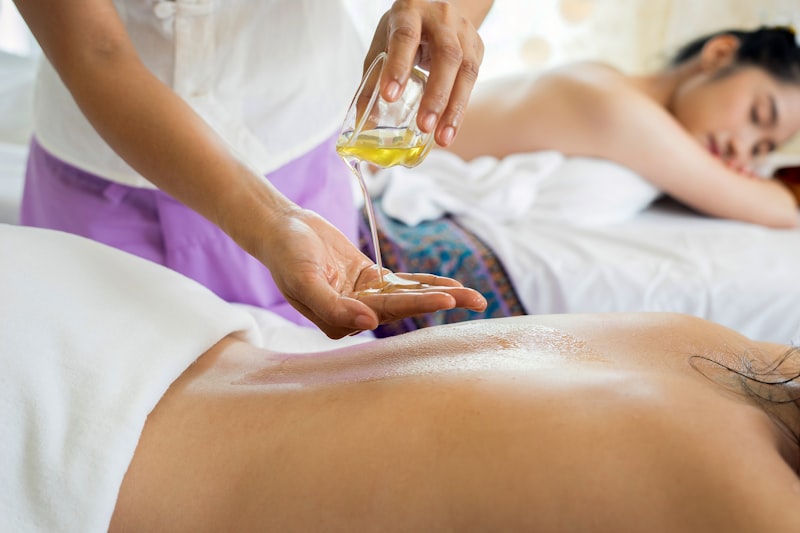
If you have never had lymphatic drainage, the first sensation tends to come as a surprise: it is much gentler than most people imagine. The therapist’s hands glide with light pressure and slow, rhythmic movements. There is no intense friction, no work on the muscle, no pain. Many people fall asleep during the session, which is completely normal and, in a way, a good sign — the nervous system is relaxing.
During the session there may be moments when you feel the urge to use the bathroom. That is also normal and part of the process: the body is mobilizing fluids and the renal system responds. Do not hold it in if you can help it.
After the session, the most important recommendation is to stay well hydrated. Water helps the body process and eliminate what the drainage mobilized. Avoid alcohol and excess salt that day, as both promote fluid retention and can counteract the effect of the session. Tight clothing is also not ideal in the hours that follow, as it can compress the lymphatic vessels you just stimulated.
Some people feel a noticeable lightness from the very same day. Others need more than one session to notice clear changes, especially if fluid retention is chronic or if the goal is to complement another treatment.
When it makes the most sense to include it in your routine
Lymphatic drainage is not a treatment you need to do weekly for the rest of your life for it to be worthwhile. There are moments when incorporating it makes particular sense.
Periods of high stress or sedentary behavior are one of them. When the body has gone weeks without moving well — whether due to intense work, long trips, or recovery from a minor illness — the lymphatic system can show the effects of that stagnation. One or several sessions can help “reset” that circulation.
It also makes sense before or after important events, when you want to feel your physical best. Not to transform your body in a matter of days, but to arrive at that event feeling less bloated, more rested, and with better circulation. And as part of a regular wellness plan — combined with physical activity, good hydration, and other body treatments — it can be a useful tool for maintaining that feeling of lightness over time.
If you are interested in exploring this option or combining it with other available body treatments, you can visit the Services page or reach out directly from the Contact page to resolve any questions before booking.
At Aqua Belleza Spa, in northern Bogotá on Cra 11, lymphatic drainage is part of a menu of body treatments designed to accompany you at different moments — not only when something “is wrong,” but also as part of a mindful self-care routine.
When you are ready to book, you can do so directly on the Reservations page.
Related references
Frequently Asked Questions
- How many lymphatic drainage sessions do I need to see results?
- It depends on your goal. For mild fluid retention, many people notice a difference after the very first session. For more specific goals — such as post-procedure support or chronic heavy-leg syndrome — a series of consecutive sessions is usually recommended. Your therapist can guide you based on your individual case.
- Does lymphatic drainage hurt?
- No. The technique uses very gentle pressure, almost without friction, following the direction of lymphatic flow. If you feel any discomfort, tell your therapist right away so they can adjust the pressure.
- Can I have lymphatic drainage while I am on my period?
- Generally yes, and some people find it comforting during those days. However, if you have intense cramps or any condition that gives you pause, check with your doctor first.
- Does lymphatic drainage help you lose weight?
- It does not eliminate fat. What it does is reduce fluid retention and improve lymphatic circulation, which can translate into a feeling of less bloating and greater lightness. It is not a weight-loss treatment on its own.
- Are there people who should not receive lymphatic drainage?
- Yes. It is contraindicated in cases of active infections, thrombosis, decompensated heart failure, and certain types of active cancer, among other conditions. If you have any health condition, consult your doctor before booking.
- What should I do after a session?
- Staying well hydrated with water is the most important thing. Avoid alcohol, excess salt, and intense exercise on the same day. It is also recommended to wear comfortable, loose clothing so as not to compress the lymphatic vessels that were just stimulated.