
Body & Massage
Cupped lymphatic drainage: what it is, how it works, and what to expect
If you’ve ever ended the day with heavy legs, slightly swollen ankles, or that vague sense that your body is holding on to more than it should, chances are someone has mentioned lymphatic drainage to you. And for good reason: it’s one of the most sought-after body treatments at wellness and aesthetics centers — not because it’s trendy, but because it addresses a real need that many people experience on a daily basis.
Within the different variants of this technique, cupped lymphatic drainage is the one that generates the most questions. How does it differ from a traditional massage? Why is it called “cupped”? Who can receive it, and who can’t? This article answers those questions precisely, without detours and without exaggerated promises, so you arrive at your next session knowing exactly what to expect.
The lymphatic system isn’t as well known as the circulatory system, but it performs essential functions: it transports excess interstitial fluid, plays a role in the immune response, and contributes to the elimination of cellular waste. When that system slows down — whether due to a sedentary lifestyle, heat, stress, surgery, or simply genetics — the body makes it known in very concrete ways. Lymphatic drainage is a tool for stimulating it from the outside, through the hands of a trained therapist.
What “cupped” actually means in this technique
The term can sound a little cryptic the first time you hear it. In the context of lymphatic massage, “cupped” describes the way the therapist works the tissue: instead of gliding the hands over the skin with superficial strokes, she uses them to gently cup or encompass a portion of the tissue, hold it for a moment with very light pressure, and then guide it in the direction of the lymphatic pathway.
That cupping action allows for a more continuous and sustained stimulation of the superficial lymphatic vessels. The pressure is not deep the way it would be in a muscle-tissue massage; it’s closer to the pressure you’d use if you were carefully holding a water balloon without bursting it. That subtlety is precisely what sets this technique apart from other types of massage.
The foundation of this practice draws on the work of physiotherapists Emil and Estrid Vodder, who in the 1930s systematized the movements of manual lymphatic drainage. Since then, the technique has evolved and variants such as the cupped approach have been developed, adapting the movements for different areas of the body and different therapeutic goals. If you’d like to explore the history of the technique further, the Wikipedia entry on lymphatic drainage massage provides useful context.
How a cupped lymphatic drainage session unfolds
Before starting, the therapist conducts a brief assessment: she asks about your recent health history, whether you’ve had any surgeries, whether you take any medication, and whether there are any sensitive or inflamed areas. This isn’t a formality — it’s information that shapes how the session will be approached that day.
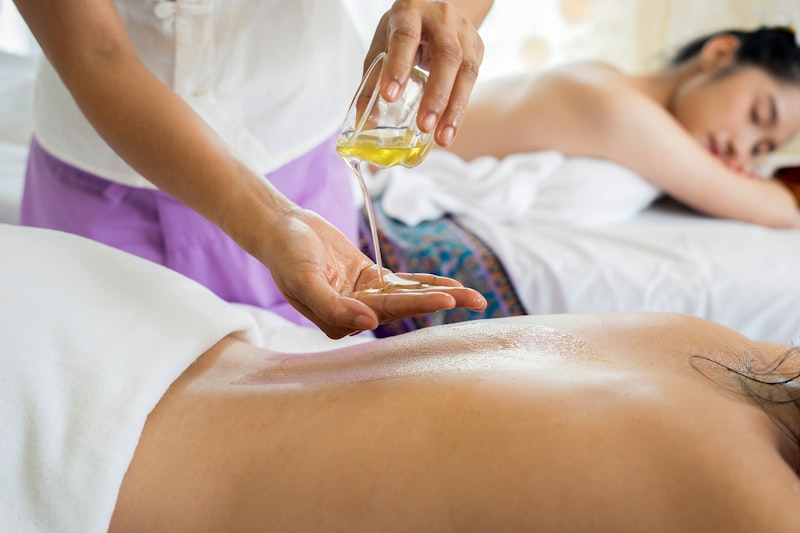
The session takes place with you lying down, generally on your back first and then face down, though the order may vary depending on the areas being worked. The movements always follow the direction of lymphatic flow: from the extremities toward the regional lymph nodes (groin, armpit, neck), never in the opposite direction. The therapist works with a constant, unhurried rhythm — and that rhythm is not incidental; it mirrors the natural frequency at which lymphatic vessels contract.
During the session it’s normal to feel warmth in the areas being worked, a mild drowsiness, and at the end, a sense of lightness that many people describe as “having put something down.” It’s also common to feel the urge to urinate shortly afterward, which is a sign that the retained fluid is beginning to move toward the body’s elimination pathways.
Who it’s right for — and who it isn’t
Cupped lymphatic drainage is especially useful in situations such as generalized fluid retention, heavy legs at the end of the day, mild non-pathological edema, post-operative recovery (with medical authorization), periods of prolonged inactivity, or after long-haul travel. It’s also valued as a complement to body-contouring processes, though it’s worth keeping expectations realistic: it doesn’t replace exercise or dietary changes, but rather supports them.
That said, there are contraindications that cannot be overlooked. The most important include active infections or fever, deep vein thrombosis (or suspected DVT), uncontrolled heart or kidney failure, active malignant tumors, and acute inflammation of unknown origin. In all of these cases, the session should not take place until a physician has evaluated the situation and given the go-ahead.
Pregnancy deserves special mention: it is not an absolute contraindication in every case, but it does require prior medical evaluation. Certain adapted techniques are used in specific contexts, but that decision is never made unilaterally by the spa.
What to expect after the session and how to get the most out of it
The first few hours after a cupped lymphatic drainage session are important for allowing the body to consolidate what was worked on. The most consistent recommendation is to drink adequate water throughout the rest of the day: the lymphatic and renal systems work together to eliminate what was mobilized, and hydration supports that process.
Avoid alcohol and very salty foods that evening, as both promote fluid retention and would counteract part of the session’s effect. If you can, rest and avoid intense physical activity for the following few hours. A gentle walk is fine; a high-intensity workout is not.
Over time and with consistency, the effects accumulate. It’s not about a single session that “fixes” fluid retention permanently, but rather a care habit that, combined with regular movement and good hydration, helps the body function more fluidly. Many people who live in urban environments with long hours of sitting — such as those working in offices in northern Bogotá — find in lymphatic drainage a concrete way to counteract the effects of everyday inactivity.
The difference between cupped lymphatic drainage and other body massages
This is worth clarifying because it’s a frequent source of confusion. Lymphatic drainage is not a relaxation massage in the conventional sense, though it can have a calming effect. Nor is it a slimming massage, though it can complement that type of treatment. These are distinct techniques with distinct goals.
A relaxation massage works primarily on muscle tissue, with the aim of releasing tension and activating the parasympathetic nervous system. A slimming or contouring massage uses higher-pressure techniques to stimulate blood circulation and address localized fat deposits. Lymphatic drainage, by contrast, works on the superficial tissues with minimal pressure, and its specific goal is to move lymphatic fluid toward the nodes where it will be filtered and eliminated.
Combining these techniques across different sessions — or even within the same session when the protocol allows — is common practice at wellness centers. At Aqua Belleza Spa, body treatments can be explored on the Services page to see what options are available and how they can be combined based on your goals.
How to choose where to have your lymphatic drainage
The cupped lymphatic drainage technique requires specific training. It’s not a massage that anyone can apply correctly without preparation, because the movements, direction, pressure, and rhythm follow a precise anatomical logic. Incorrect pressure or the wrong direction not only fails to produce results — it can cause discomfort or contraindicate the treatment.
When choosing where to have this treatment, verify that the therapists hold certified training in lymphatic drainage techniques and that the center has a clear pre-session assessment protocol. A spa that asks you no questions before starting is not following good practice, regardless of how beautiful the space may be.
Aqua Belleza Spa is located at Cra 11 #98-14, steps from Calle 98 in the Chicó neighborhood. If you have questions about the treatment before booking, you can reach us through the Contact page or review the service details directly on the Services page. If you’re ready to schedule, you can do so from the Reservations page.
Related references
Frequently Asked Questions
- Does cupped lymphatic drainage hurt?
- It shouldn't. The pressure applied is gentle and rhythmic — well below what you'd feel during a sports or deep-tissue massage. If you experience significant discomfort, let your therapist know immediately so she can adjust the technique.
- How often is it recommended?
- It depends on your goal. For general maintenance, one session every two to three weeks is usually enough. If you have marked fluid retention or are in a post-operative recovery process, the frequency should be set by the healthcare professional overseeing your care, not the aesthetician.
- Can I have a lymphatic drainage session while pregnant?
- Pregnancy is one of the contraindications that requires prior medical evaluation. Certain adapted techniques are used in specific contexts, but that decision is made by your treating physician, not the spa.
- How long does it take to see results?
- Many people notice a reduction in the feeling of heaviness from the very first session. Visible changes in body contour or fluid retention typically become more apparent after several consistent sessions.
- What is the difference between cupped lymphatic drainage and traditional manual drainage?
- Cupped lymphatic drainage is a variant of the manual technique in which the therapist "cups" or gently grasps the tissue with the full hand to mobilize lymphatic fluid with greater depth and continuity. The result is a more sustained stimulation of the lymphatic pathway.
- Do I need any special preparation before the session?
- Arrive well hydrated, avoid heavy meals right beforehand, and wear comfortable, easy-to-remove clothing. No special preparation beyond that is necessary.