
Body & Massage
Body exfoliation at the spa: what it is, how it works, and what to expect
The skin is the body’s largest organ and, like any living tissue, it constantly renews its cells. That renewal process means dead cells accumulate on the surface, dulling your complexion, hindering the absorption of moisturizers, and over time giving the skin a rough texture to the touch. Body exfoliation exists precisely to support that natural cycle: removing what has already served its purpose and making room for new skin to breathe.
What many people do not realize is that there is a real difference between exfoliating at home with a bath glove or a shower gel and doing it at a spa with a complete professional protocol. This is not about snobbery or unnecessary luxury. It is about technique, products with the right concentration, and an environment that allows the body to relax enough for the treatment to truly work. In this article I explain exactly what body exfoliation at a spa is, how it is carried out step by step, what types exist, and how you can get the most out of it.
Whether this is your first time having this treatment or you have had it before without really knowing what to expect, here you will find everything you need to arrive prepared and make the most of your session.
What happens to your skin during exfoliation
The epidermis, the outermost layer of the skin, renews itself approximately every four weeks. During that process, old cells migrate to the surface and shed naturally. However, factors such as environmental pollution, sun exposure, dehydration, and stress can slow that shedding down. The visible result is dull skin with an uneven texture and, in some cases, pores that appear more prominent than usual.
Body exfoliation accelerates that process in a controlled way. By applying an exfoliating agent, whether physical or chemical, those surface cells that have been “stuck” longer than necessary are loosened and removed. This not only improves the skin’s immediate appearance but also makes subsequent treatments, such as deep moisturization or an oil massage, far more effective. Skin free of that layer of dead cells absorbs active ingredients much more efficiently.
It is important to understand that exfoliation does not damage the skin when done correctly. On the contrary, it stimulates local circulation and leaves the surface ready to receive nutrients. The most common mistake is exfoliating too frequently or with overly abrasive products, which can irritate and weaken the skin barrier. At a spa, the therapist assesses your skin type before starting and adjusts the protocol accordingly.
The types of exfoliation used at a spa
Not all exfoliants are the same, nor do they work in the same way. In the context of a wellness spa, body treatments are generally classified into three main categories according to their mechanism of action.
Physical exfoliation is the most traditional. It uses abrasive particles, such as sea salts, sugar, ground coffee, or granulated clays, which mechanically remove dead cells when rubbed over the skin. The intensity depends on the particle size and the pressure applied. In the hands of a professional, this type of exfoliation is very effective and has the advantage of delivering results that are immediate and visible as soon as you leave the session.
Chemical exfoliation uses mild acids, such as lactic acid or glycolic acid, to dissolve the bonds between dead cells without the need for friction. It is especially useful for sensitive skin that does not tolerate physical abrasion well. Enzymatic exfoliation, for its part, uses enzymes derived from fruits such as papaya or pineapple to achieve an effect similar to chemical exfoliation but with a gentler and more selective action. At a spa, it is common to combine techniques or choose the most appropriate one based on each person’s skin condition.
How the procedure is carried out, step by step
Arriving at a spa for a body exfoliation without knowing what is going to happen can create unnecessary nerves. The process is straightforward and, once you know what to expect, it becomes something you look forward to with ease.
The session begins with a brief consultation. The therapist asks about your skin type, whether you have any particular condition, whether you have had recent sun exposure, or whether you are using any topical medication. This initial conversation is not a formality: it is the foundation on which the exfoliant and technique are chosen. Afterward, you change and settle onto the treatment table, covered with sheets or towels that are adjusted as the work progresses.
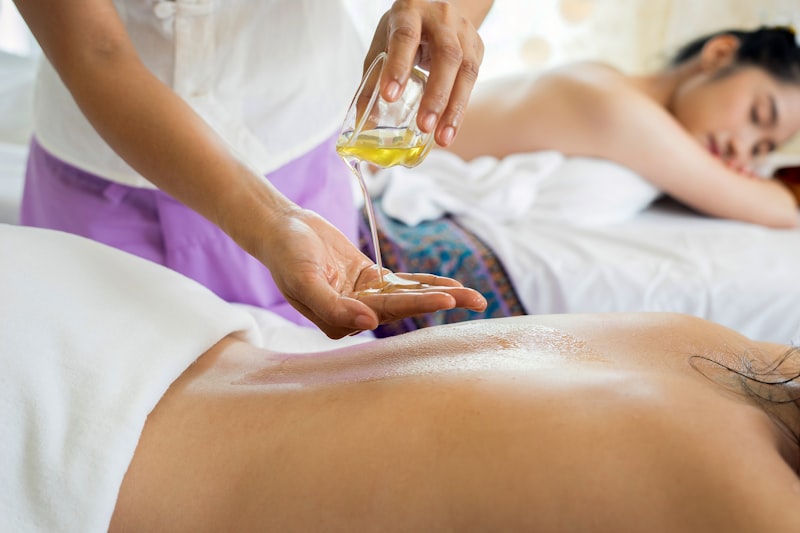
The application of the exfoliant usually begins at the back or the legs and moves systematically across the entire body, using circular movements or strokes directed toward the heart to also stimulate circulation. The pressure is firm but never aggressive. Once the exfoliant has acted for the necessary time, it is removed with warm water, either via a shower or with warm damp cloths, depending on the spa’s protocol. The session ends with the application of a moisturizer, a body oil, or a nourishing mask that takes advantage of the freshly prepared skin to absorb active ingredients with greater ease.
What to expect after the treatment and how to care for your skin
When you leave the session, your skin feels different right away: softer to the touch, with a more even tone and a luminosity that has nothing to do with makeup or filters. That sensation is real and has a direct physiological explanation: the layer of dead cells that was dulling the surface is simply no longer there.
During the first few hours after exfoliation, the skin is more receptive but also more sensitive to external stimuli. That is why it is important to avoid direct sun exposure that day and to apply sunscreen if you are going out. Bogotá, despite its altitude and variable climate, has UV radiation that should not be underestimated, especially when the skin has just gone through a renewal process. It is also worth avoiding very hot water in the shower on the same day, as it can dry out skin that has just been treated.
Post-treatment hydration is part of the treatment itself, not an optional add-on. Applying a cream or body oil in the hours that follow, and keeping up that habit over the next few days, extends and enhances the results. If you already have a moisturizing routine at home, this is the moment when that routine pays off the most, because the skin is primed to absorb.
When body exfoliation makes the most sense
Body exfoliation is not an emergency treatment or something you only do when your skin is in poor condition. It works best as part of a care routine, especially when combined with other complementary treatments.
There are moments when it makes particular sense. Before an important event, one week to ten days in advance is a good window: the skin has time to recover fully and show its best results. It is also a highly recommended step before a slimming treatment or lymphatic drainage, because prepared skin absorbs active products better and the stimulated circulation responds more effectively. Likewise, if you are about to begin a cycle of deep moisturizing treatments, starting with an exfoliation makes a noticeable difference in the results.
At Aqua Belleza Spa, body treatments are designed to complement one another. Exfoliation can be the starting point of a more complete session or a standalone treatment depending on what you need at that moment. If you want to know what options are currently available and which ones best suit what you are looking for, you can check the Services page for up-to-date details.
The difference between exfoliating at home and at a spa
This is a fair question and it deserves an honest answer. Exfoliating at home is possible and worthwhile. Bath gloves, commercial scrubs, and homemade exfoliants with sugar or coffee all help keep the skin in better condition between sessions. There is nothing wrong with that.
The difference with a spa session is not one of status but of depth and context. First, the products used in a professional setting have concentrations and formulations that are not available in the general consumer market. Second, technique matters: the pressure, the direction of movement, and the contact time of the exfoliant on the skin are variables that a professional manages with judgment and experience. Third, the spa environment, with controlled temperature, music, aromas, and a proper treatment table, allows the body to relax in a way that simply does not happen in the shower at home. That state of relaxation is not a cosmetic detail: it directly influences how the skin responds to the treatment.
The spa does not replace home care either. Ideally, both coexist: a simple daily moisturizing routine at home and a periodic professional exfoliation that takes care to a level the daily routine cannot reach on its own. If you want to explore how to integrate this into your routine, you can reach us through the Contact page and we will be happy to guide you.
How to prepare for your first session
Preparing well for a body exfoliation does not take much effort, but a few simple steps beforehand make a real difference to the outcome.
The most important thing is to arrive with clean skin and no products applied that day. Avoid oil-based creams or body oils on the morning of your appointment, as they can interfere with how the exfoliant adheres to the skin. If you plan to remove hair, do so at least 48 hours before the treatment so the skin has time to return to its normal state. The same applies if you have had intense sun exposure: wait a few days before exfoliating to avoid working on already sensitized skin.
Staying well hydrated in the days leading up to your session also helps. Skin that arrives well hydrated responds better and the result is more even. Drinking water regularly, as basic as it sounds, has a real effect on skin condition that any cosmetologist can notice during the treatment. If you have a specific health condition or are taking medication that affects the skin, mention it during the initial consultation without leaving anything out: that information allows the therapist to choose the most appropriate protocol for you.
To book your session, you can do so directly from the Reservations page. Aqua Belleza Spa is located at Cra 11 #98-14, in the Chicó neighborhood in northern Bogotá, near Calle 98, an area that is easy to reach by both private transport and ride-hailing services.
Related references
Frequently Asked Questions
- How often should I get a body exfoliation at the spa?
- For most people, a session every two to three weeks is enough. If your skin is very sensitive, once a month may be more appropriate. Your cosmetologist can guide you based on the condition of your skin during the initial consultation.
- Does body exfoliation hurt?
- It should not hurt. You will feel friction and a mild warmth, but the procedure in the hands of a professional is completely tolerable. If at any point you feel discomfort, you can ask the therapist to adjust the pressure.
- Can I shower right after the exfoliation?
- Ideally, wait at least a few hours before showering so that the oils or creams applied at the end of the treatment have time to fully absorb. Your therapist will let you know the recommended wait time based on the products used.
- Is body exfoliation suitable for all skin types?
- Generally yes, but the technique and type of exfoliant are adjusted according to your skin type and condition. Skin with open wounds, active sunburn, or specific dermatological conditions requires prior evaluation before proceeding.
- What is the difference between a body exfoliation and a peeling?
- Body exfoliation primarily uses physical agents (salts, sugar, coffee) to remove dead cells through gentle abrasion. A peeling can be physical or chemical and generally acts on deeper layers of the skin. In a wellness spa, body exfoliation is the standard treatment for regular skin maintenance.
- Can I shave or wax before the exfoliation?
- It is recommended that you do not wax or shave on the same day as your exfoliation, as the skin is more sensitive after any hair removal method. If you plan to remove hair, do so at least 48 hours before or after the treatment.