
Body & Massage
Slimming massage: what it is, how it works, and what to expect from each session
If you have ever felt like your body is holding onto fluid, that certain areas look heavier than you would like, or that the skin on your thighs and abdomen has lost firmness, chances are someone has mentioned slimming massage to you. It is one of the most requested body treatments at spas and beauty centers — and also one of the most surrounded by unclear expectations.
It is worth understanding exactly what it involves before booking your first session. Not because it is a complicated procedure, but because when you know what is happening in your body during the massage, you can get more out of it, take care of yourself properly afterward, and have a realistic sense of what you will notice over time.
This article explains the techniques used, the mechanisms behind the results, the aftercare habits that make a real difference, and everything you should know before lying down on the treatment table.
What happens in the tissue during a slimming massage
Slimming massage works on the superficial and deep layers of subcutaneous tissue through pressure, friction, and kneading movements. The core idea is to stimulate blood and lymphatic circulation in areas where flow tends to be sluggish — especially in zones where localized fat accumulates.
When circulation in an area is poor, fluids and metabolic waste tend to build up in the interstitial tissue. This contributes to the feeling of heaviness, fluid retention, and the uneven skin texture that many people associate with cellulite. The massage maneuvers activate the lymphatic system, which is responsible for collecting those fluids and returning them to the bloodstream so the body can process them.
At the same time, sustained pressure on the adipose tissue generates local heat, which improves cell membrane permeability and helps mobilize fatty acids. This is not a dissolving of fat, as it is sometimes imprecisely described — it is a form of stimulation that supports the body’s natural metabolic processes when paired with an active lifestyle.
The most common techniques and what each one does
Not all slimming massages are the same. A skilled therapist selects and combines techniques based on the area being treated, the type of tissue, and each person’s goal. Knowing the main ones helps you understand what you feel during the session.
Deep kneading is the most characteristic maneuver. It involves taking the tissue between the fingers and palms, compressing it, and releasing it rhythmically — similar to kneading dough. It acts directly on the subcutaneous tissue and is especially effective on the thighs, glutes, and flanks. It can cause some sensitivity if there is built-up tension, but it should not feel sharply painful.
Skin rolling (manual palper-rouler) takes a thin layer of skin between the fingers and moves it progressively forward. This technique works on the more superficial layers, improves skin elasticity, and helps break down the connective tissue adhesions that give skin an orange-peel appearance. Lymphatic drainage can be incorporated at the beginning or end of the session to enhance fluid elimination. When used as a complement to slimming massage, the results for fluid retention tend to be more noticeable.
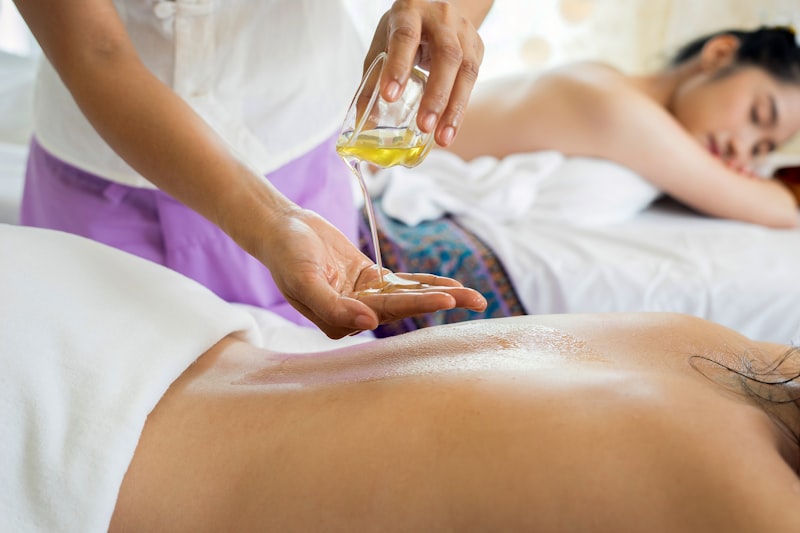
Treatment areas and how the protocol is adapted
The most common areas in a slimming massage are the abdomen, thighs, hips, glutes, and arms. Each has its own characteristics in terms of tissue depth and sensitivity, so the protocol varies accordingly.
On the abdomen, the maneuvers follow the direction of the colon to support intestinal transit and drainage. This is an area where many people accumulate fluid due to stress, a sedentary lifestyle, or hormonal changes. The work here tends to be gentler than on the thighs or glutes, and it requires that you arrive without having eaten a large meal in the hours beforehand.
On the thighs and glutes, where adipose tissue is denser and adhesions more frequent, the therapist may apply greater pressure. A feeling of warmth during and after the session is normal and is a sign that circulation has been activated. On the arms, the technique is more delicate because the tissue is thinner and the area has a higher density of lymphatic vessels.
Real results: what to expect and on what timeline
One of the most common questions is when you will start to notice changes. The honest answer is that it depends on several factors: tissue type, usual hydration levels, physical activity, and consistency with the treatment.
After the first few sessions, the most common experience is a reduction in the feeling of heaviness and an improvement in skin texture. The skin looks more even and the treated area may feel softer to the touch. These changes are real, but they are the cumulative result of several sessions — not just one.
Changes in contour and volume require a full cycle of sessions and, above all, that the treatment be part of a lifestyle that includes movement and good hydration. That said, many people report visible improvements in skin firmness and evenness after completing an initial cycle, especially when they combine the massage with walking, swimming, or another low-impact form of exercise.
Before and after care that enhances the treatment
What you do outside the treatment room carries as much weight as what happens during the session. There are simple habits that make a real difference in results.
Before the session: arrive well hydrated. Drinking enough water in the hours beforehand makes it easier for the lymphatic system to do its work during the massage. Avoid heavy meals in the two hours prior, especially if the protocol includes abdominal work. Wear comfortable clothing that does not compress the areas being treated when you leave.
After the session: hydration is the most important thing. Your body is in the process of eliminating the fluids and toxins activated during the massage, and it needs water to complete that process. Avoid alcohol and very salty foods in the hours that follow, as these promote fluid retention and undo part of the work done. If possible, a gentle twenty- to thirty-minute walk after the session helps keep circulation active.
Applying firming creams or body oils at home between sessions also helps keep the skin hydrated and elastic. It is not essential, but it complements the treatment well.
Contraindications you should know about
Slimming massage is a safe treatment for most people, but there are situations in which it is not recommended or in which the protocol needs to be modified. Knowing them allows you to make informed decisions.
It is not recommended over areas with pronounced varicose veins, active inflammation, open wounds, recent bruising, or skin infections. It is also contraindicated during pregnancy, particularly on the abdomen, hips, and thighs. If you are receiving medical treatment for thrombosis, clotting disorders, or autoimmune conditions, consult your doctor before starting any body treatment.
People with very sensitive skin or a fibromyalgia diagnosis should inform their therapist before beginning, as the pressure and techniques need to be adjusted significantly to make the session comfortable and beneficial.
At Aqua Belleza Spa, before starting a cycle of body treatments, the team conducts an initial assessment to understand your goal and check for any special considerations. This makes it possible to design an appropriate protocol from the very first session. If you would like to see the treatments available, you can find them on the Services page.
How to integrate slimming massage into your wellness routine
Slimming massage works best when it is part of a routine, not when it is used in isolation or as a last-minute fix before an event. Thinking of it as a body-care habit — similar to exercise or mindful eating — changes your relationship with the results.
An initial cycle of frequent sessions lays the groundwork: it activates circulation, improves tissue texture, and trains the body to respond more effectively. Afterward, monthly or fortnightly maintenance sessions help preserve those changes without needing to return to the original frequency.
If you live or work near the north of Bogotá, in the Calle 98 and Cra 11 area, you have the advantage of being able to fit sessions into your week without travel being an obstacle. Many people take advantage of a midday break or the end of the workday for their appointment, especially when the spa is just a few minutes from their usual activities.
Combining slimming massage with other options such as lymphatic drainage — which targets fluid retention more specifically — can enhance results depending on each person’s goal. You can explore those combinations on the Services page or reach out through the Contact page if you have questions before booking.
When you are ready to schedule your first session or continue your cycle, you can do so directly from the Reservations page.
Related references
Frequently Asked Questions
- How many slimming massage sessions do I need to see results?
- It depends on your goal and your body. In general, professionals recommend an initial cycle of eight to twelve sessions, at a frequency of two to three per week, before evaluating results. After that, monthly maintenance sessions are usually enough.
- Does a slimming massage hurt?
- Deep kneading techniques can cause some sensitivity, especially in areas with greater fat tissue accumulation. It should not feel like sharp pain. If you experience intense discomfort, let your therapist know immediately so they can adjust the pressure.
- Can I get a slimming massage while pregnant?
- No. During pregnancy, any deep-stimulation technique on the abdomen, hips, and thighs is contraindicated. Consult your doctor first if you have questions about which body treatments are safe for you.
- What should I eat before a session?
- Avoid large meals in the two hours before your appointment. Arriving on a full stomach can cause discomfort during abdominal maneuvers. A light snack is perfectly fine.
- Can a slimming massage help me lose weight?
- Slimming massage works on circulation, fluid drainage, and skin texture, but it is not a substitute for a balanced diet or physical activity. It complements a healthy lifestyle — it does not work in isolation.
- Can I exercise on the same day as my massage?
- It is best to wait at least a few hours. Your body needs time to process the stimulation it has received. If your workout is intense, it is better to schedule the massage on a rest day or in the evening.